
Domestic firms show strong capacity in making use of CPTPP
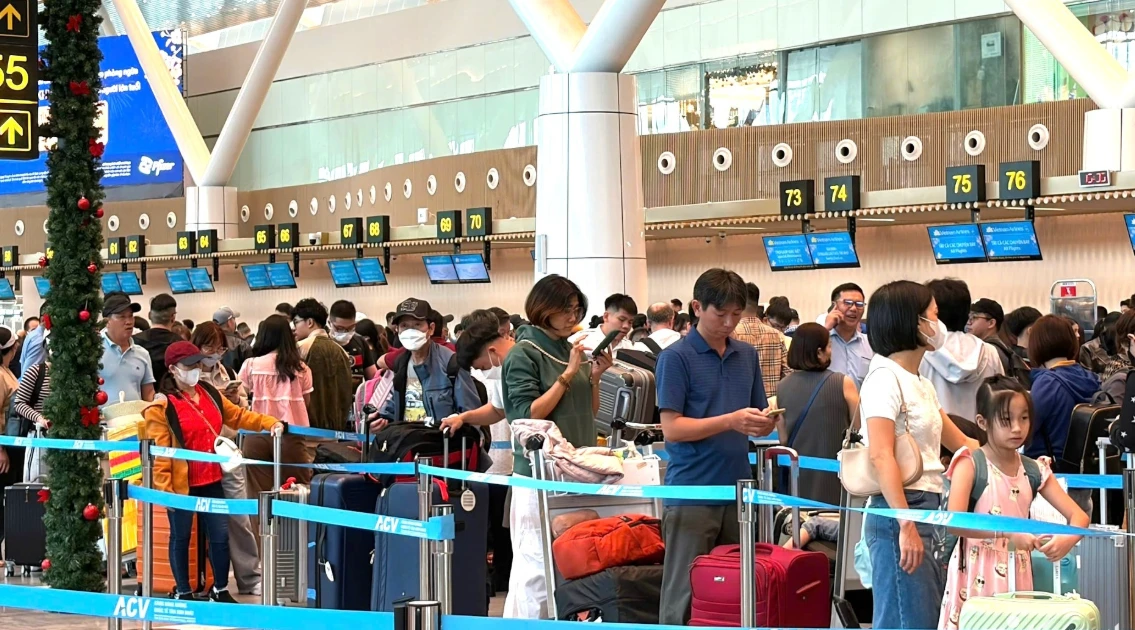
Domestic firms has shown strong capacity in making use of CPTPP (Photo: VNA)Hanoi (VNA) – Over three years since the Comprehensive and Progressive Agreement for Trans-Pacific Partnership (CPTPP) took effect, Vietnam’s exports to member economies, especially Canada, Mexico and Peru have significantly increased, showing high adaptation capacity of domestic firms. Statistics showed that last year, Vietnam enjoyed growth in exports to all CPTPP markets, including Singapore, Malaysia, Japan, Australia, Canada, Mexico and Chile. According to To Hoai Nam, Vice President and Secretary-General of the Vietnam Association of Small and Medium Enterprises, over the past three years, Vietnamese firms have shown their strong capacity to adapt to the new normal situation and make full use of CPTPP to increase their exports. In addition, the ministry will continue to popularise commitments as well as rules related to origin, he said. The CPTPP consists of 11 members, namely Australia, Brunei, Canada, Chile, Japan, Malaysia, Mexico, New Zealand, Peru, Singapore, and Vietnam.
Source:Viet Nam News
September 10, 2022 14:49 UTC
Vietnam works hard on early disaster warning
Heavy rain forecasting and early warning systems are being focused on to mitigate the effects of floods, flash floods, landslides and inundation. (Photo: VNA)VNA- Heavy rain forecasting and early warning systems are being focused on to mitigate the effects of floods, flash floods, landslides and inundation, according to Director of the National Centre for Hydro-Meteorological Forecasting Mai Van Khiem.Natural disasters are becoming more unpredictable and extreme due to climate change, causing more extensive damage to people and property. Vietnam has seen increasingly unpredictable natural disasters this year, with non-seasonal rains and flooding accompanied by thunderstorms, strong winds and storms.To improve forecasting, weather forecasters have extended natural disaster warnings to 10 days.Seasonal forecasting has also been extended. The sector has a newsletter identifying natural disasters issued twice a year.Forecasts of storms and tropical depressions are issued three or five days in advance, forecasts of heavy rain two or three days, and warnings for thunderstorms released from 30 minutes to two hours. Severe cold spells are forecast five to seven days in advance.A detailed warning map of flash floods and landslides has been developed at district level in order to inform regions when there is heavy rain./.
Source:Viet Nam News
September 10, 2022 09:02 UTC
Vietnam introduces business environment in Japanese prefecture
Illustrative image (Photo: VNA)Tokyo (VNA) – A forum discussing Vietnam’s business environment was held in Japan’s prefecture of Kanagawa on September 9. Meanwhile, the Japanese Government also actively supports Japanese investments in Vietnam, considering the country an attractive market with advantages such as political stability, vibrant economy and young population. Vu Nhat Ha, head of the investment unit at the Vietnamese Embassy in Japan, said as of June 2022, Japan invested in 4,873 projects worth nearly 65 billion USD in Vietnam. Leaders of Long An and Ha Nam provinces, Hoi An city also introduced their strengths and incentives to Japanese investors. At the event, Vietnamese localities and Japanese enterprises also showcased their strengths, demand and incentives at stalls./.
Source:Viet Nam News
September 10, 2022 03:02 UTC
Vietnam’s 77th National Day marked in China
Vietnamese Ambassador to China Pham Sao Mai (Photo: VNA)Beijing (VNA) – Vietnamese Ambassador to China Pham Sao Mai highlighted milestones in Vietnam’s development journey over the past 77 years during a banquet held in Beijing on September 9 to celebrate the 77th anniversary of Vietnam’s National Day. In his speech, Mai said despite the COVID-19 pandemic, Vietnam has maintained economic growth of 2.58% in 2021. Vietnam treasures friendly neighborliness and comprehensive partnership with China, the ambassador affirmed. Despite the pandemic, over the past two years, bilateral economic-trade-investment ties have grown, he said. The banquet was attended by Chinese Vice Minister of Foreign Affairs Deng Li, among others./.
Source:Viet Nam News
September 10, 2022 01:39 UTC

VIETNAM NEWS HEADLINES SEPTEMBER 9
Especially, he said the Vietnam - EU Free Trade Agreement (EVFTA), after two years of implementation has brought about practical benefits for both parties. Vietnam and the National Assembly of Vietnam are ready to cooperate with the EU and the EP in the implementation of these two important agreements, he said. Hue suggested that the EU support Vietnam in meeting COP26 commitments, undertaking climate change adaptation programmes, and realising its digital transformation goal. Vietnam Night honours quintessence of Vietnamese riceA Vietnam Night, themed “Quintessence of Vietnam Rice,” took place in Ho Chi Minh City on September 7 as part of the ongoing 16th International Travel Expo HCM City (ITE HCMC 2022). Lokshin is also one of the authors of history books, including those on Vietnam, and the author of many articles on the national liberation movement in Southern Vietnam.
Source:Viet Nam News
September 09, 2022 22:26 UTC
Vietnam runs trade surplus of 3 billion USD with UAE
Illustrative image (Source: VNA)– Two-way trade between Vietnam and the United Arab Emirates (UAE) was estimated at 3.3 billion USD in the first eight months of this year, with the Southeast Asian nation enjoying a trade surplus of some 3 billion USD.The Vietnamese Trade Office in the UAE suggested domestic firms set out suitable strategies for exports to the UAE which, it said, gathers many rivals due to its openness.Notably, food and beverages exported to the UAE should meet Halal standards, the office said, asking Vietnamese enterprises to identify partners before cooperation and select safe payment methods to avoid any trade frauds.The UAE will serve as a gateway for Vietnamese businesses to step up exports to the Middle East and Africa, it suggested.The office also proposed trade promotion agencies increase investment and trade forums with the participation of enterprises from both Vietnam and the UAE, as well as representatives from local management agencies, while facilitating Vietnamese firms to participate in international exhibitions and fairs in Dubai.Launching or optimising direct transport routes between the two sides will help cut transportation costs significantly, it said./.
Source:Viet Nam News
September 08, 2022 20:46 UTC
Thai oil refining firm eyes investment in Vietnam
The Thai Oil Plc (Photo: ogj.com)- Thai Oil Plc (TOP), Thailand ’s the largest oil refining company by capacity, is looking forward to pouring its investment in Vietnam, Indonesia and India, in the fields of oil refinery, lube oil and high-value petrochemical products.TOP expects bright prospects from business expansion into these countries.According to The Bangkok Post, the Thai firm has facilities such as warehouses in the northern and southern regions of Vietnam Wirat Uanarumit, president and chief executive of TOP, said high rates of economic growth and large numbers of young people among the populations of the three countries mean these nations offer the best potential for investment s in Asia.TOP is expanding its business abroad to meet the growing demand for energy and petrochemical products./.
Source:Viet Nam News
September 08, 2022 15:35 UTC
77th National Day marked in Cuba
President Ho Chi Minh proclaimed the independent Democratic Republic of Vietnam in Hanoi’s Ba Dinh Square on September 2, 1945. (Photo: VNA)Vietnamese Ambassador Le Thanh Tung delivers a remark at the 77th National Day celebration on September 8. (Photo: VNA)The Embassy of Vietnam in Cuba hosted a ceremony in Havana to celebrate the 77th National Day (September 2, 1945 – 2022), which saw the presence of many Cuba n top politicians, diplomats from ASEAN member states and Vietnamese entrepreneurs in the Caribbean country.In his welcoming remarks, Vietnamese Ambassador Le Thanh Tung highlighted the historic significance of Vietnam’s Independence Day , recalling President Ho Chi Minh proclaimed the independent Democratic Republic of Vietnam in Hanoi’s Ba Dinh Square 77 years ago.Since then, under the leadership of the Communist Party, Vietnam has surmounted immense hardship to rise from a war-torn, underdeveloped nation to one of the world’s 40 biggest economies that posted a GDP growth of 6.42% in the first quarter of this year, Tung said.Vietnam has now become a fast-growing country with improved living standards, socio-political stability and heightened reputation in the global stage, he added.He further noted that the Party, State and people of Vietnam are proud to sustain and nurture the friendship, comprehensive partnership and trust with those of Cuba over the past 62 years. He expressed his confidence that the bilateral ties will last forever and further expand for the benefit of the two peoples./.
Source:Viet Nam News
September 08, 2022 08:29 UTC
VIETNAM NEWS HEADLINES SEPTEMBER 8
Over the past two decades, it has granted scholarships to more than 50,000 outstanding students in Vietnam. Meanwhile, Dutch Ambassador to Vietnam Daniël Stork held that Vietnam has great potential to become a sustainable seafood supplier of the world amid current food security challenges in the context of rising population. UNDP Resident Representative in Vietnam Caitlin Wiesen affirmed that UNDP will participate in and implement the Strategic Framework for Sustainable Development Cooperation (CF) between the Government of Vietnam and UNDP for the 2022-2026 period, and the Country Programme for Vietnam for 2022-2026, including important areas such as economic transformation, climate change adaptation, and strengthening resilience to natural disasters. UNDP Vietnam will continue to promote cooperation with Vietnam for the sustainable development of Vietnam, she stressed. Vietnam has so far documented as many as 11,428,632 million COVID-19 cases, ranking 12th out of 227 countries and territories worldwide.
Source:Viet Nam News
September 08, 2022 08:28 UTC
COVID-19: Health Ministry releases guidance on compulsory mask wearing
People are requested to wear masks in public places including public transportation vehicles, trade centres, supermarkets and traditional markets (Photo: VNA)Illustrative image (Source: VNA)– The Ministry of Health has issued a guidance on the wearing of masks in public places for COVID-19 prevention and control, clarifying to who and where it is a must.Basing on the human-to-human transmission mechanism of the SARS-CoV-2 virus, the ministry underlined that wearing face masks in public places is an effective measure to protect people’s health, especially those with underlying diseases.Accordingly, people with symptoms of acute respiratory infection or suspected COVID-19 infection, and all people,except children under five years old going to a public place in an area where the pandemic level is declared at Level 3 or Level 4, must wear masks.Wearing masks is also compulsory in medical facilities and accommodation hosting people undertaking medical quarantine or supervision, and all medial staff.Under the ministry’s guidance, people are requested to wear masks in public places including public transportation vehicles, trade centres, supermarkets, traditional markets, closed spaces and poorly ventilated places such as bars, discos, karaoke, beauty salons, gyms, restaurants, cinemas, theaters and studios.Staff in offices for dossier receipt and transaction places must also wear masks when directly contacting customers, according to the guidance,which also specifies other cases that are encouraged to wear masks in public spaces./.
Source:Viet Nam News
September 08, 2022 05:12 UTC
VIETNAM NEWS HEADLINES SEPTEMBER 7
The health cooperation focuses on various important fields such as infectious disease and HIV/AIDS prevention, nosocomial infection control, antibiotic resistance and strengthening laboratory testing capacity. Health cooperation between the two countries has developed well over the past 25 years and the partnership with the US CDC is extremely important, she said. The proposal was made by the Acting Minister of Health Đào Hồng Lan on Tuesday afternoon during a working session with Eric Dziuban, Vietnam Country Director of US CDC. Chinh also emphasised that Vietnam always treasures education and its infrastructure for workforce training, and asked UNESCO to help Vietnam train qualified personnel to work at multilateral organisations, including UNESCO. Vietnam has run188 valid projects worth 2.8 billion USD in Cambodia, ranking first in ASEAN and among five biggest investors in Cambodia.
Source:Viet Nam News
September 07, 2022 22:32 UTC
PV GAS supplies first propane batch to southern petrochemical complex
The BU SIDRA vessel arrives at the port of the Long Son PetroChemicals Co. Ltd on September 2. (Photo: congthuong.vn)– PV GAS Trading, an affiliate of the PetroVietnam Gas Joint Stock Corporation (PV GAS), recently provided the first batch of propane for the southern petrochemical complex of the Long Son PetroChemicals Co. Ltd (LSP).PV GAS said PV GAS Trading has successfully connected a pipe from the liquefied petroleum gas vessel BU SIDRA with the propane taking system of the southern petrochemical complex.The batch of commercial propane, departing from Al Amindi Port of Kuwait, is the first of PV GAS Trading to arrive at Long Son Port and also the first batch of material to be supplied for the southern petrochemical complex to serve this complex’s pilot operations.The selection of PV GAS Trading as the distributor of the first batch of goods for the complex not only holds commercial significance but also affirms PV GAS and its subsidiary’s reputation, stature, and brand in the domestic and regional gas market, PV GAS noted.The firm added that after more than 30 years of development, its gas trading activities have been developing continually. It has engaged in all gas-related areas and services in not only Vietnam but also the regional and international markets.Capitalising on its advantages and support from the Vietnam Oil and Gas Group ( PetroVietnam ), PV GAS has invested in developing the non-electricity gas market. Its before-tax profit reached over 8.67 trillion VND while after-tax profit approximated 7 trillion VND during the period, respectively rising 56% and 59%.PV GAS contributed over 3.6 trillion VND to the State budget in the first half, up 8% from a year earlier.In 2021, over 20% of revenue, 25% of profit and 8% of the State budget payment by PetroVietnam were contributed by PV GAS.Despite impacts from the COVID-19 pandemic, PV GAS earned the highest ever revenue last year, gaining over 80 trillion VND. It looks to achieve annual growth of 10% in 2022 and the following years.PetroVietnam is taking measures to create favourable conditions for production and trading of gas products in the remaining months of 2022, given negative impacts of the world energy crisis on the consumption demand for liquefied petroleum gas, and liquefied natural gas./.
Source:Viet Nam News
September 07, 2022 19:39 UTC
Vietnam shares importance of promoting culture of peace at UN forum
Politics 77th National Day marked in Cuba The Embassy of Vietnam in Cuba hosted a ceremony in Havana to celebrate the 77th National Day (September 2, 1945 – 2022), which saw the presence of many Cuban top politicians, diplomats from ASEAN member states and Vietnamese entrepreneurs in the Caribbean country. Politics ☀️ Morning digest on September 8 The following is a list of selected news summaries last night by the Vietnam News Agency. Politics Vietnam, Brunei FMs co-chair second Joint Commission for Bilateral Cooperation meeting Vietnamese Minister of Foreign Affairs Bui Thanh Son and Second Minister of Foreign Affairs of Brunei Darussalam Dato Erywan Pehin Yusof on September 7 co-chaired the second meeting of the Joint Commission for Bilateral Cooperation (JSBC-2) between the two countries. Politics Greetings extended to Brazil on Independence Day President Nguyen Xuan Phuc on September 7 sent a message of congratulations to his Brazilian counterpart Jair Messias Bolsonaro on the Federative Republic of Brazil’s 200th Independence Day (September 7, 1822 - 2022).
Source:Viet Nam News
September 07, 2022 09:16 UTC
Japan to enhance inspection of trade unions employing Vietnamese labourers
Japan to enhance inspection of trade unions employing Vietnamese labourers. - Illustrative image (Photo: VNA)Japan will strengthen the inspection of labour unions to ensure rights of Vietnamese guest workers , Japanese Minister of Justice Hanashi Yasuhiro told Vietnamese Minister of Labour, Invalids and Social Affairs Dao Ngoc Dung at their talks in Tokyo on September 6.During the meeting, Minister Dung thanked the Japanese ministry for coordinating with the Vietnamese side to implement many effective programmes, including those in human resources development.He suggested the Japanese side consider expanding occupations accepting foreign interns, and exempting and reducing some taxes for Vietnamese interns.For his part, Minister Hanashi said Japan has resumed receiving foreign interns after a hiatus period due to the COVID-19 pandemic.Regarding the Vietnamese side’s proposal to expand occupations receiving interns, Hanashi said the Japanese government has a policy to gradually expand such professions, with caring service for the elderly being the latest, which is a top priority.The Japan ese Ministry of Justice will discuss with relevant ministries and sectors Vietnam’s proposal of exempting residence and income taxes for Vietnamese interns, he went on.The same day, Minister Dung received representatives of a number of Japanese organisations and trade unions which are receiving Vietnamese interns, during which he asked for more attention from the Japanese organisations to supporting and caring for both material and spiritual life of Vietnam ese interns.The Vietnamese official also attended a seminar held the National Association for Global & Open Minded Communities (NAGOMi) on receiving more Vietnamese interns to work in Japan, towards building a global society of human resources for mutual development./.
Source:Viet Nam News
September 07, 2022 03:05 UTC
Photos tell stories about Vietnam - Laos special relations
VNA General Director Vu Viet Trang introduces photos to delegates at the exhibition. (Photo: VNA)Delegates cut the ribbon to open the photo exhibition on September 6. (Photo: VNA)– A photo exhibition on the Vietnam - Laos relations kicked off at the National News Agency Centre in Hanoi on September 6.Opening the event, General Director of the Vietnam News Agency (VNA) Vu Viet Trang emphasised that 2022 is a significant year to bilateral ties as it marks 60 years since the establishment of the countries’ diplomatic relationship (September 5, 1962) and 45 years since the signing of the Treaty of Friendship and Cooperation (July 18, 1977).In celebration of these anniversaries, the VNA and the Lao News Agency KPL have coordinated to organise the exhibition, which showcases more than 100 outstanding photos from their archives that reflect the special ties between Vietnam and Laos since the Democratic Republic of Vietnam (now the Socialist Republic of Vietnam) came into being on September 2, 1945 and the Lao Issara Provisional Government declared the independence of Laos on October 12 that year.The exhibits demonstrate the close-knit comradeship between the two countries’ Parties and peoples during the struggles for national independence in the past as well as national development and defence efforts at present, she noted, adding that they highlight the special friendship founded by late Presidents Ho Chi Minh, Kaysone Phomvihane and Souphanouvong and nurtured by generations of the countries’ leaders, revolutionaries, and peoples to become a precious heritage and a decisive factor in the success of each countries’ revolution.Beautiful images of the Vietnam - Laos friendship will continue to be captured by VNA and KPL reporters to contribute to the great friendship, special solidarity and comprehensive cooperation between the two Parties, States, and peoples, according to Trang.In his pre-recorded speech, KPL General Director Khampheuy Philapha said the exhibition not only spotlights the great friendship, special solidarity and comprehensive cooperation between the two countries but also illustrates the close and effective partnership for decades between the two news agencies, which has substantially helped reinforce the countries’ special relations.President of the Vietnam Union of Friendship Organisations (VUFO) Nguyen Phuong Nga said the display is highly meaningful since it coincides with the 60th anniversary of the diplomatic ties, adding it also inspires the belief in a bright future for both nations and for their special friendship.Tran Nhat Hoang, Deputy Director of the International Cooperation Department at the Ministry of Culture, Sports and Tourism, said more cultural activities like this exhibition should be organised so as to help Vietnamese and Lao people, especially the young, understand more about bilateral relations./.
Source:Viet Nam News
September 06, 2022 20:38 UTC