The Longest Insurgency
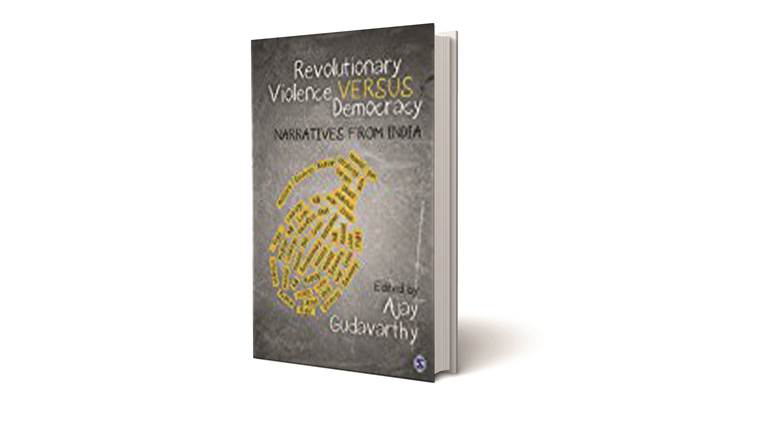
Gudavarthy traces the genealogy of the Maoist movement, demonstrating how the “semi-feudal, semi-colonial social formation of India” fostered political discontent. Any discussion of revolutionary violence, Gudavarthy argues, must take on board this inherently violent nature of Indian social systems. The first two essays engage with strategic innovations like struggles for Janatana Sarkar (people’s revolutionary democracy) and kidnap as a less violent strategy. Neera Chandhoke’s chapter on ‘Ambiguities of Revolutionary Violence’ analyses the fallacy of sole reliance on revolutionary violence and calls for a people’s war beyond violence. As political agency operates today within neoliberal grids, the exclusive recourse to political violence can be seen not only as an outcome of structural violence, but also as a sign of “failed political imagination” among Maoists.
Source: Indian Express March 24, 2018 00:56 UTC