




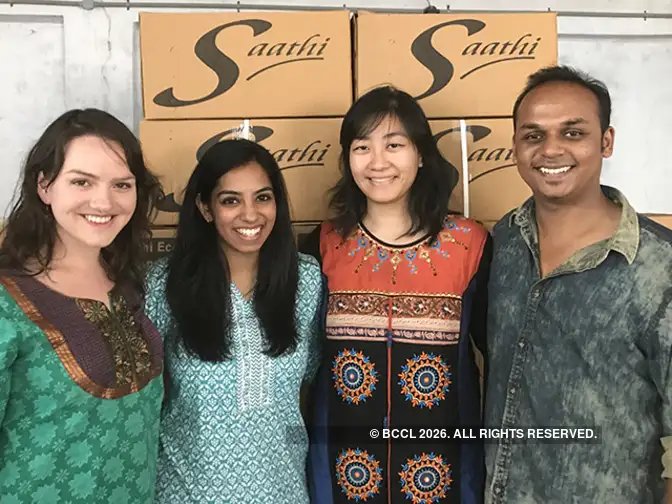
There is a safer alternative to regular sanitary pads - and it'll make you go bananas!
"We evaluated the logic of making sanitary pads using freely available banana tree fibres as its core component," says co-founder and CEO, Kristin Kagetsu. "Banana fibre uses six times less water per ton produced than cotton and ten times less fertilizers," says Kristin. "For our #OneMillionPads initiative, we supply to women in rural Jharkhand through our NGO partner Ekal Vidyalaya and Arogya Foundation ," says Kristin. "We have been funded so far by grants only so we started off with very low resources" says Kristin. "The options for sustainable menstrual hygiene products has grown significantly since we started operations in India," says Kristin.
Source: Economic Times December 01, 2017 05:15 UTC