




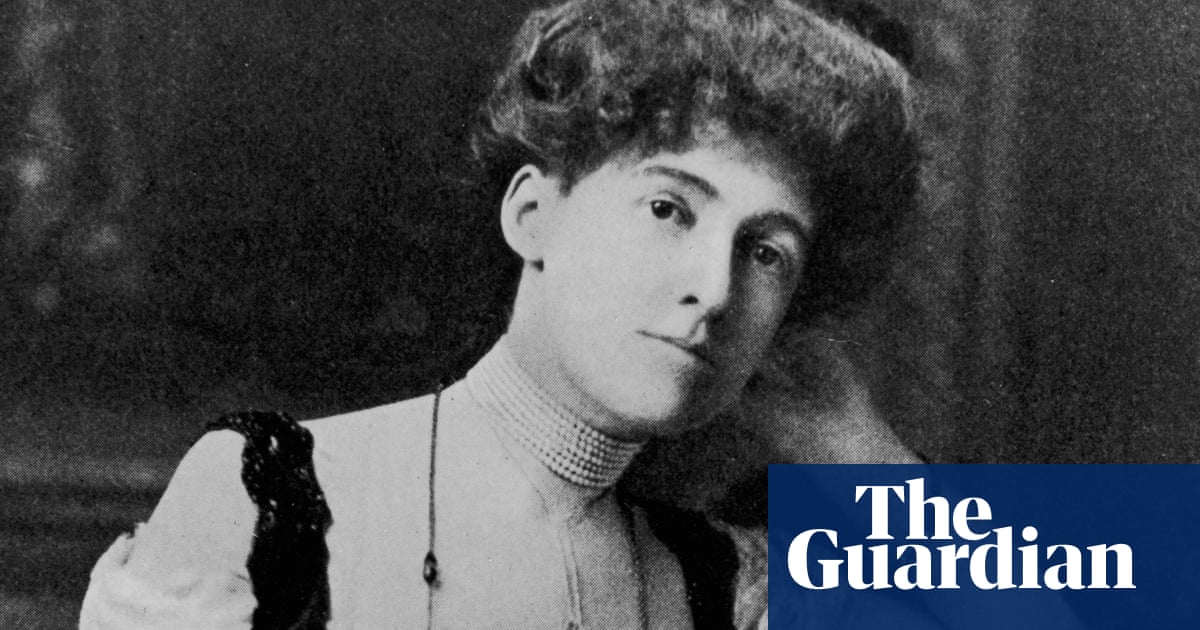
Reading group: The Age of Innocence by Edith Wharton is our book for September
For this month’s reading group, we’re going to look at Edith Wharton’s 1920 masterpiece, The Age of Innocence. Yet while we’ll be able to see parallels with Wharton, we shouldn’t assume the past is always speaking directly to us. They interest us as old letters, old newspapers interest us; not as real people of our own generation, our own society can interest us. The Age of Innocence was quickly recognised as an important book and went on to win the 1921 Pulitzer prize, with Wharton the first female winner. In 1921 he delighted in the fact that The Age of Innocence contained “no scenes, no vulgar jealousies or accusations, nothing to offend the finest sensibility”.
Source: The Guardian September 01, 2020 12:56 UTC


