



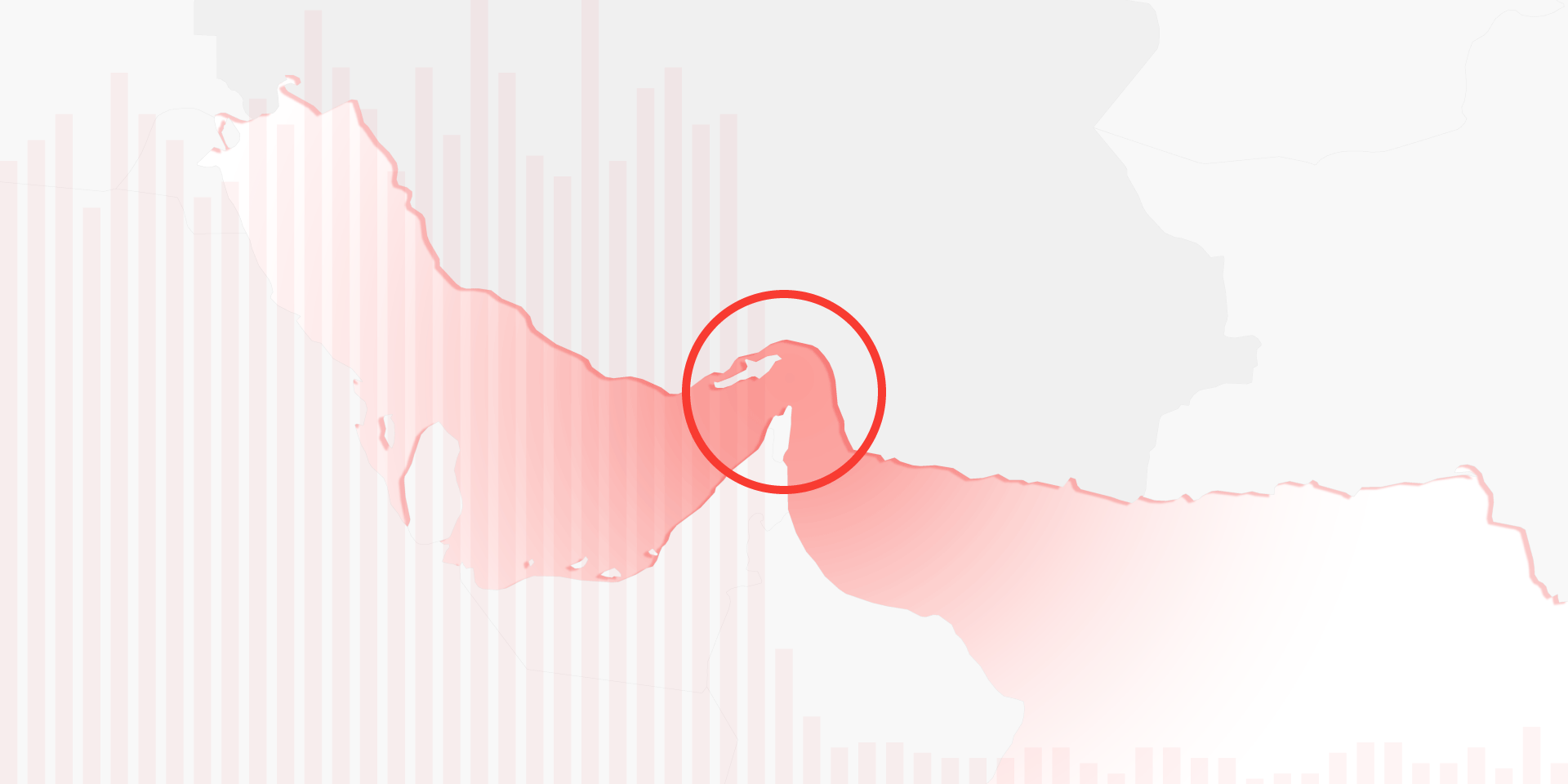
Global Disruption at the Strait of Hormuz
(click to enlarge)After the Iranian blockade of the Strait of Hormuz, traffic fell to an average of just six ships per day, compared with around 129 per day before the conflict began. Because the strait normally handles roughly one quarter of global seaborne oil trade, as well as major shipments of liquefied natural gas and fertilizers, the most immediate effect of the disruption was a sharp rise in energy prices. These higher transport and fuel costs are likely to ripple through global supply chains, raising the price of food, manufactured goods and energy worldwide. Developing countries are particularly vulnerable because they depend heavily on imported energy and food while often having limited financial reserves. This is why the latest U.N. Trade and Development report warns that global trade growth could drop significantly, while global GDP growth is also likely to weaken in 2026.
Source: The North Africa Journal April 03, 2026 19:38 UTC
