



Decoded: How methane-eating bacteria creates 'green' fuel
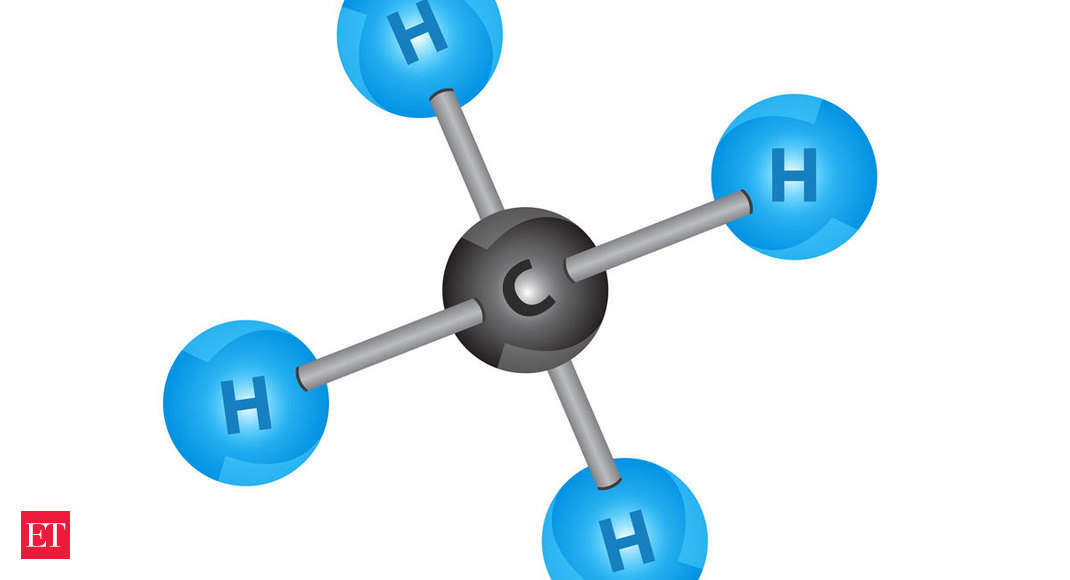
WASHINGTON: Scientists have identified an enzyme that helps some bacteria remove methane from the environment and convert it into a usable fuel -- paving the way for a creating a novel, sustainable source of energy.Known for their ability to methanotrophic bacteria have long fascinated researchers.A team from the Northwestern University in the US found that the enzyme responsible for the methane-methanol conversion catalyses this reaction at a site that contains just one copper ion.The finding could lead to newly designed, human-made catalysts that can convert methane -- a highly potent greenhouse gas -- to readily usable methanol with the same effortless mechanism. "The identity and structure of the metal ions responsible for catalysis have remained elusive for decades," said Amy C Rosenzweig, from Northwestern University. "Our study provides a major leap forward in understanding how bacteria methane-to-methanol conversion," Rosenzweig said in a statement. ""While copper sites are known to catalyse methane-to-methanol conversion in human-made materials, methane-to-methanol catalysis at a monocopper site under ambient conditions is unprecedented," said Matthew O Ross, a graduate student at Northwestern. "If we can develop a complete understanding of how they perform this conversion at such mild conditions, we can optimise our own catalysts," said Ross.
Source: Economic Times May 14, 2019 06:56 UTC