




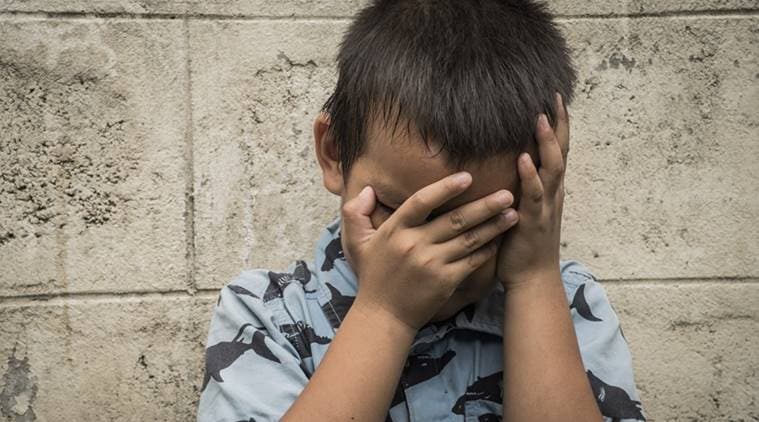
Children likely to suffer from depression long after being bullied: Study
Children who continued to show high depression into adulthood were also more likely to have genetic liability for depression and a mother with postnatal depression. However, children who were bullied but did not have any genetic liability for depression showed much lower depressive symptoms as they become young adults. The study, published in the journal JAMA Network Open, has found that young adults who were bullied as children were eight times more likely to experience depression that was limited to childhood. However, some children who were bullied showed greater patterns of depression that continued into adulthood and this group of children also showed genetic liability and family risk, it said. “However, just because an individual has genetic liability to depression does not mean they are destined to go on and have depression.
Source: Indian Express July 03, 2019 04:16 UTC