


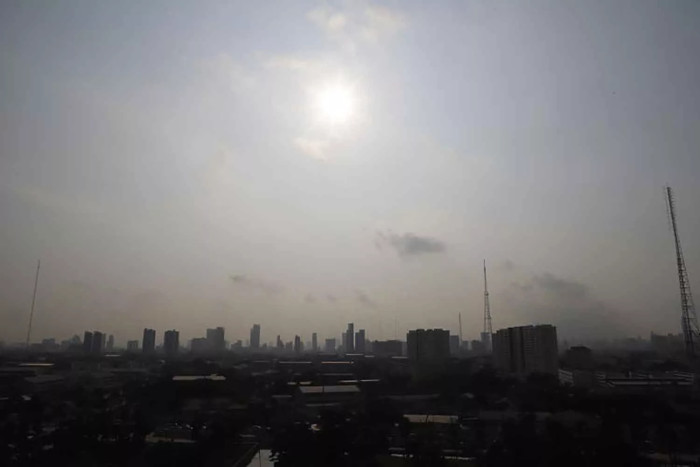


ANALASIS: Principle of voluntary cooperation not helping tackle climate change
Since it was first adopted and ratified in the early decade of 1990s, the United Nations Framework on Climate Change (UNFCCC), simply known as UN Climate Change, has been providing the sole and universal platform for 197 countries to talk policies and measures to tackle increasingly evident climate change and its impacts. Climate change obligations historyHardly anyone before the 1990s believed in climate change, not until the first solid set of facts concerning GHGs and climate change was revealed by the Intergovernmental Panel on Climate Change (IPCC), which comes up with assessment reports on climate every five years. They principally required developed countries to “communicate” emission targets for 2020, and developing countries to “implement” nationally appropriate mitigation actions (NAMAs) with support from developed countries. It concerns social aspects as well as economic aspects, and often the government’s policies themselves are the cause of climate change or exacerbate it. She said to cope with climate change, policymakers need to take those aspects into consideration while dealing with climate change.
Source: The Nation Bangkok September 09, 2018 18:00 UTC


