‘Good’ schools were built of the rich, by the rich and for the rich
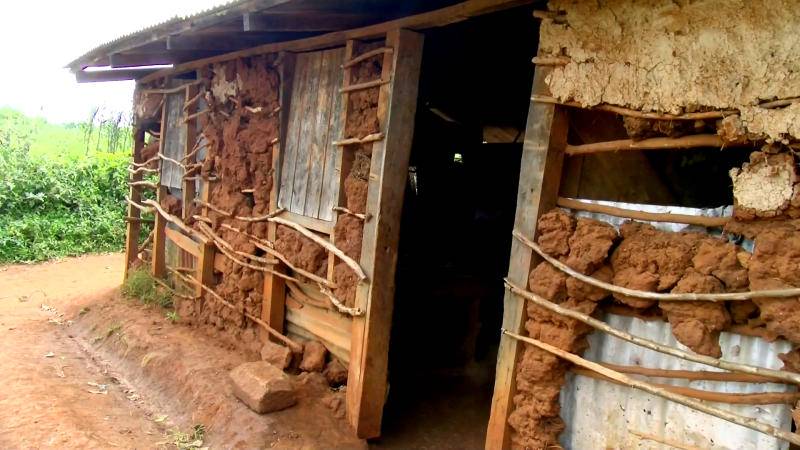
Yet, Kenyan public schools remain largely separate and unequal — with profound consequences for students, especially students in rural areas. But that remains a lofty ambition given that we have to fit children from about 25,000 primary schools into approximately 15,000 secondary schools, with very few day schools. National schools transitioned from being schools for whites with privileges aligned to the colonial system to privileged schools in independent Kenya. And despite paying taxes, parents are forced to dig into their pockets to finance education for their children in premium schools. A critical problem is that differentiated resourcing of education makes it difficult for urban and poor rural schools to compete for better results.
Source: Standard Digital July 31, 2021 06:56 UTC