


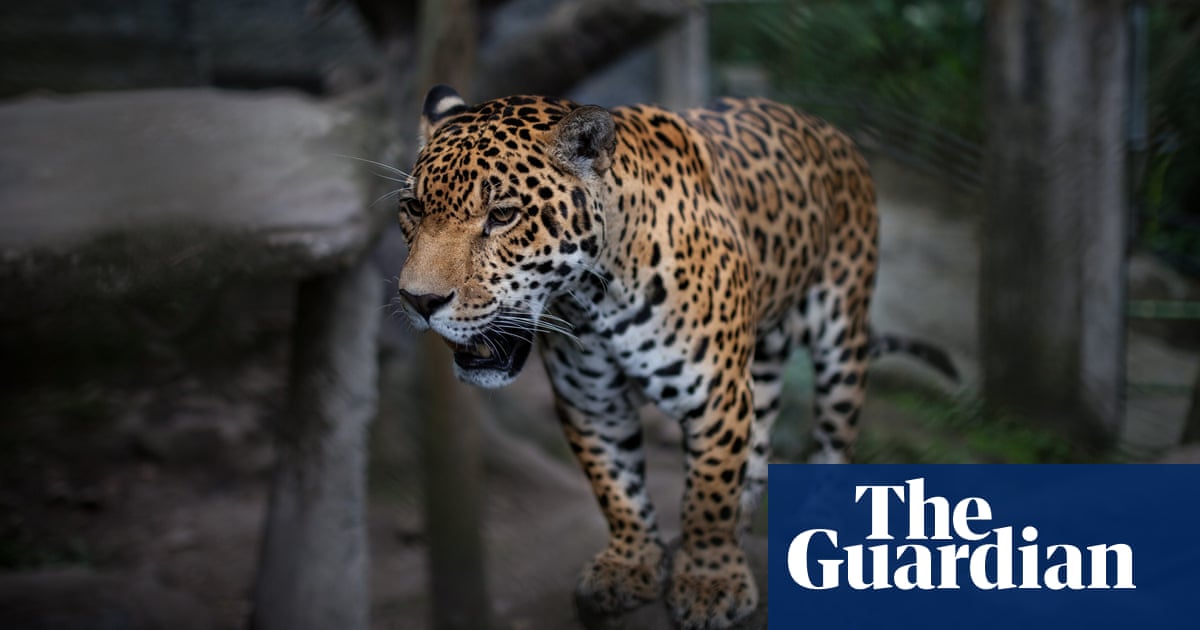
Wildlife trafficking on the rise all across Latin America
After drugs, guns and human trafficking, wildlife trafficking is the world’s most lucrative organised crime with an annual value of around $20bn (£16bn) each year, according to a 2016 report by Interpol and the UN environment programme. Wildlife trafficking is increasing in most countries in the region, including the conference’s host, Peru, said the head of its forestry and wildlife service, Luis Alberto Gonzales-Zuñiga. The threatened carnivore was the image chosen as the emblem for the initiative launched in Lima on illegal wildlife trade last week. Lishu Li, programme manager for the Wildlife Conservation Society (WCS) in China, said that the government there was taking “serious actions to combat the illegal wildlife trade” with more prosecutions, longer jail terms and fines. “We need to make sure this wildlife trade doesn’t drive further biodiversity loss and damage fragile ecosystems,” he said.
Source: The Guardian October 07, 2019 13:07 UTC