



This strange microbe may mark one of life’s great leaps
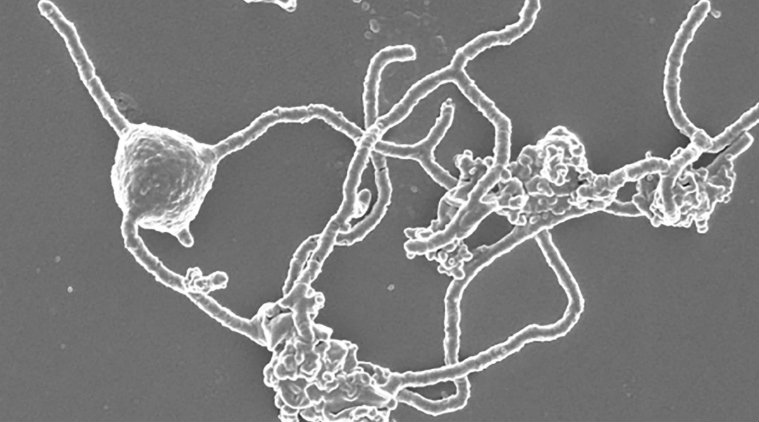
Two billion years ago, simple cells gave rise to far more complex cells. But to judge from the fossil record, complex cells simply appeared out of nowhere. Species that share these complex cells are known as eukaryotes, and they all descend from a common ancestor that lived an estimated 2 billion years ago. The researchers named the microbe Prometheoarchaeum syntrophicum, in honor of Prometheus, the Greek god who gave humans fire — after fashioning them from clay. This finding suggests that the proteins that eukaryotes used to build complex cells started out doing other things, and only later were assigned new jobs.
Source: Indian Express January 23, 2020 15:27 UTC