




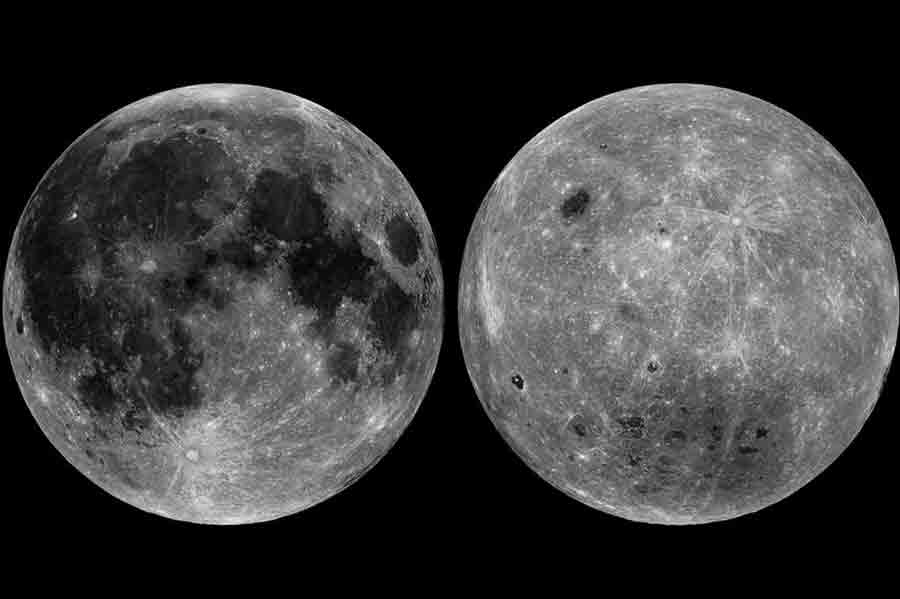
Rock samples show moon's farside interior is cooler than the nearside
They compared that to data on previously studied samples of rock that crystallised in the nearside mantle. It appears that this side was less volcanic in the past than the nearside, so it has fewer dark patches of basalt, a type of rock formed from lava long ago. The moon, like Earth, formed about 4.5 billion years ago. The researchers hypothesise that the interior of the moon's farside may be cooler than the nearside as a result of having a smaller amount of elements such as uranium, thorium and potassium that release heat due to radioactive decay. This could have disturbed the moon's interior and shifted denser material containing more heat-producing elements to the lunar nearside.
Source: bd News24 October 01, 2025 17:01 UTC