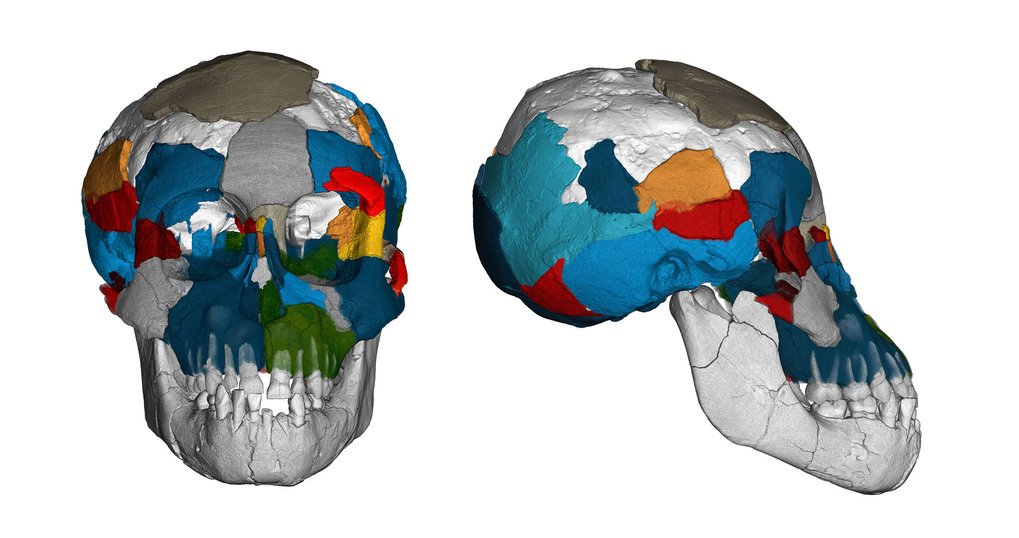

Researchers find apelike brain in human ancestor
The research, led by a team of scientists from Max Planck Institute in Germany that included Florida State Professor of Anthropology Dean Falk, is published in Science Advances. In the Dikika child’s endocast, researchers observed an impression of a lunate sulcus, a fissure that borders the occipital lobe. The preserved endocast of the Dikika child has an unambiguous impression of a lunate sulcus in an apelike position. While the organization of the brain appeared to be apelike, the data gleaned from these scans show that the brain’s development was slowed down, more comparable to humans. “After seven years of work, we finally had all the puzzle pieces to study the evolution of brain growth,” Gunz said.
Source: Ethiopian News April 01, 2020 18:22 UTC