


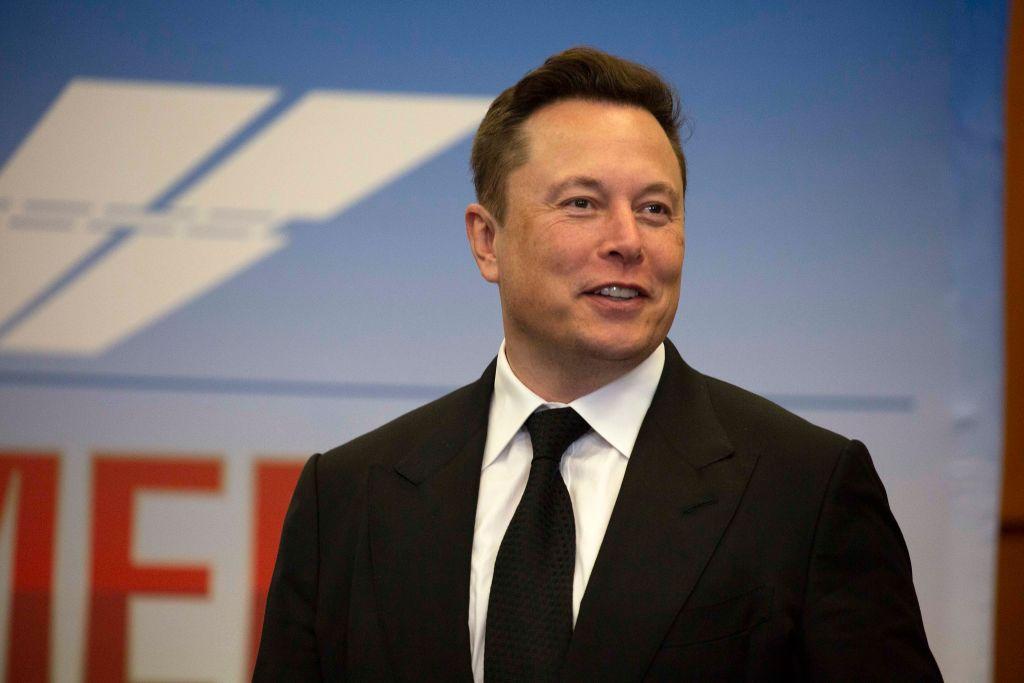
Musk venture unveils pig with computer chip in brain
"An implantable device can actually solve these problems," Musk said on a webcast Friday, mentioning ailments such as memory loss, hearing loss, depression and insomnia. Neuralink has received $US158 million ($NZ234 million) in funding, $US100 million of which came from Musk, and employs roughly 100 staff members, according to LinkedIn data. Neuroscientists have also conducted brain implant trials with a small number of people who have lost control of bodily functions due to spiral cord injuries or neurological conditions like strokes. Most of the current cutting-edge research in brain-machine interface is conducted on animals, scientists note, with safety challenges and lengthy regulatory approval procedures preventing larger human trials. The field also includes established medical device maker Medtronic PLC, which produces brain implants to treat Parkinson's disease, essential tremors, epilepsy and other conditions.
Source: Otago Daily Times August 28, 2020 23:03 UTC


