



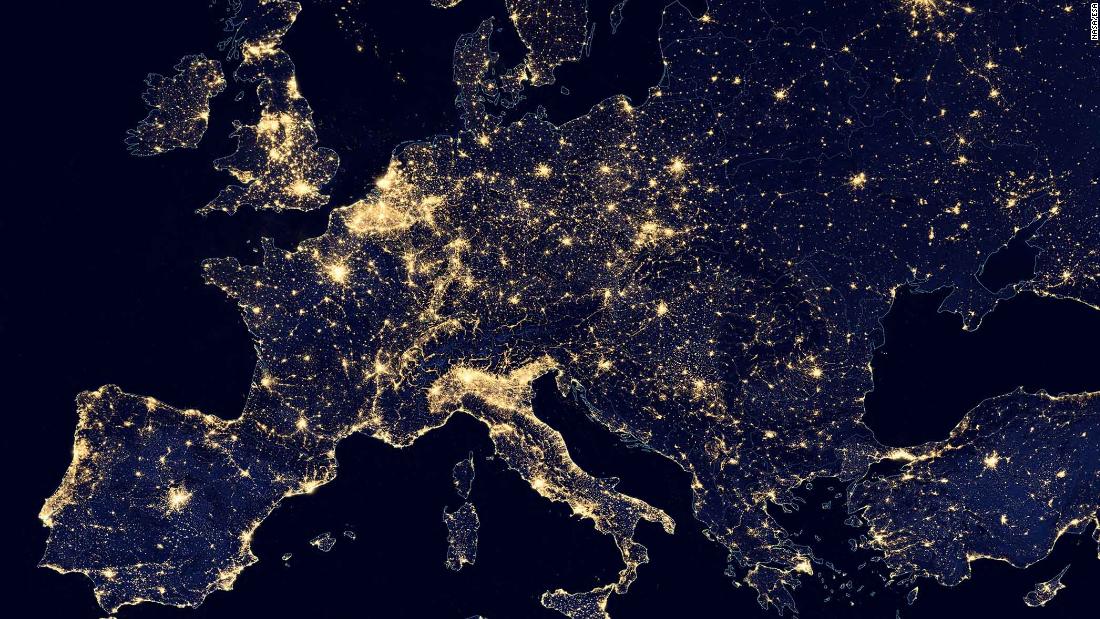
Loss of the night: Light pollution rising rapidly on a global scale
Some regions have showed a steady increase in light pollution aligned with economic development, but more developed nations that were thought to be "going dark" by switching to energy-saving LEDs showed no apparent decline in their rates of light pollution. White LED light has been linked to disruptions in sleep patterns, and the glare is found to affect eyesight. The impact was especially adverse in nocturnal migrating birds that were used to orienting in darkness and were failing to do so due to light pollution. The study confirms that light pollution continues to increase and is of global relevance." Though there's a limit to the amount of time one spends driving, with LED lights, there seems to be no saturation point.
Source: CNN November 23, 2017 16:52 UTC