



Listening to our youth
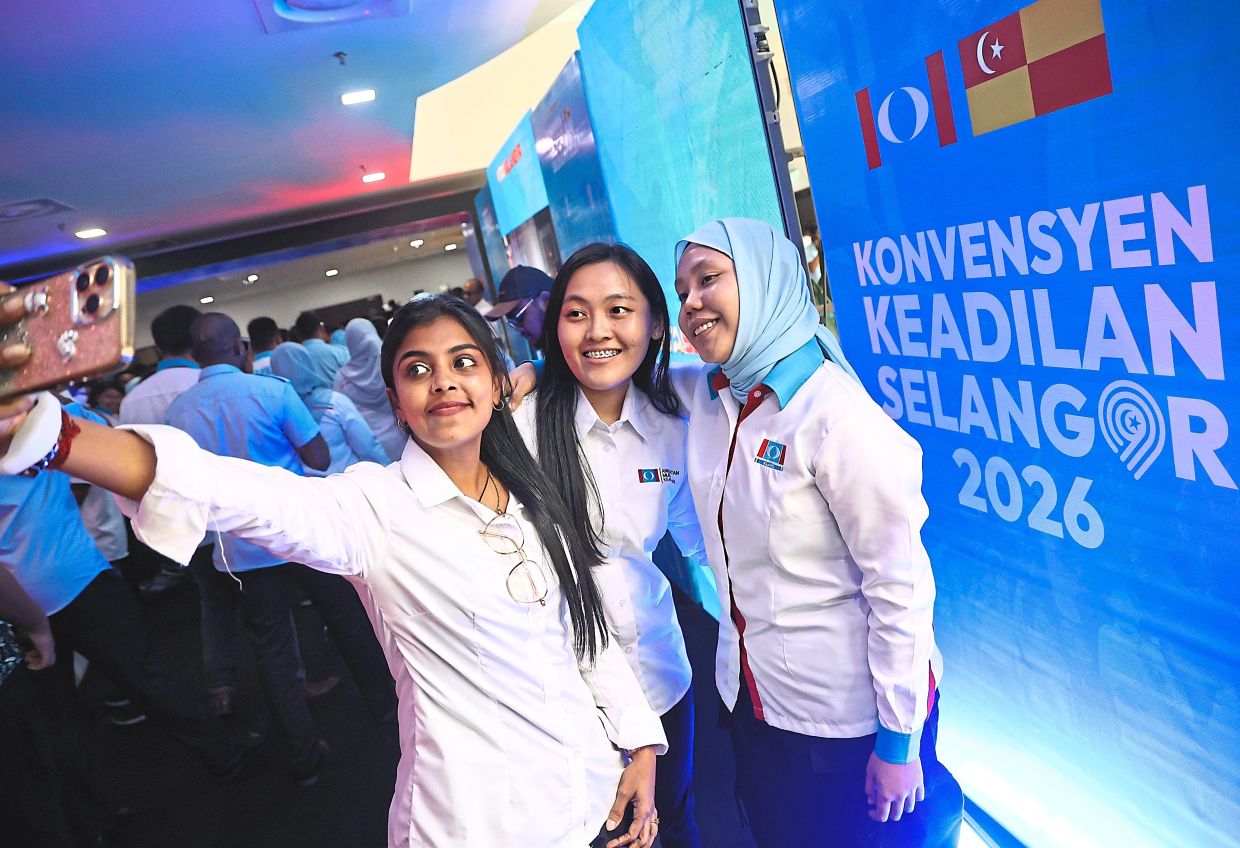
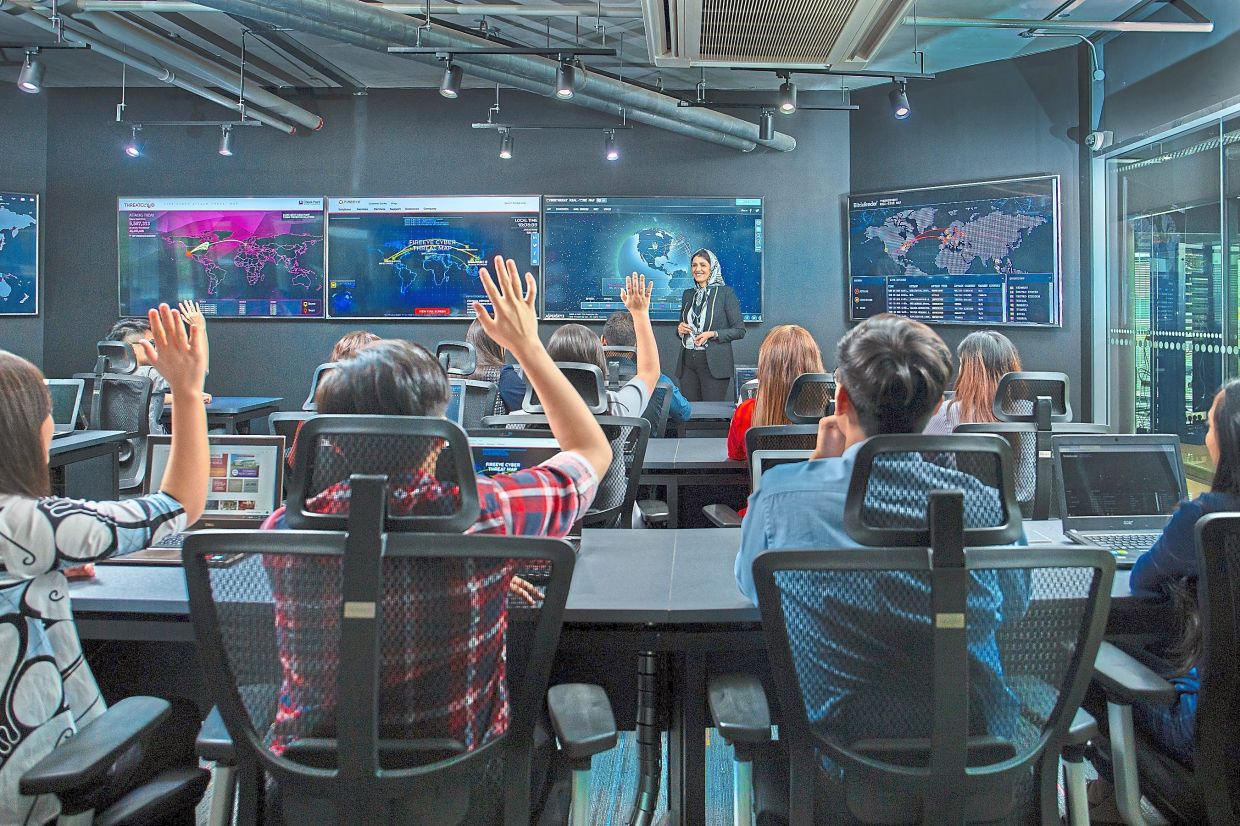
Campuses must ensure equality by incorporating equity-driven student voices when designing experiential learning. Classroom or learning space design is a crucial element of the educational experience, impacting student engagement, comfort and learning outcomes. By integrating student voices, we can create more inclusive, responsive and effective learning environments, which in turn lead to better academic outcomes and stronger graduates. Catalyst for inclusivityActively listening to diverse student voices fosters inclusivity in pedagogical practices and democratic university communities, ensuring all students feel valued and heard. These platforms can even be used to mobilise youth for causes they care about and to understand the issues that matter to them.
Source: The Star February 08, 2026 01:44 UTC