

Lai outlines quantum industry plans
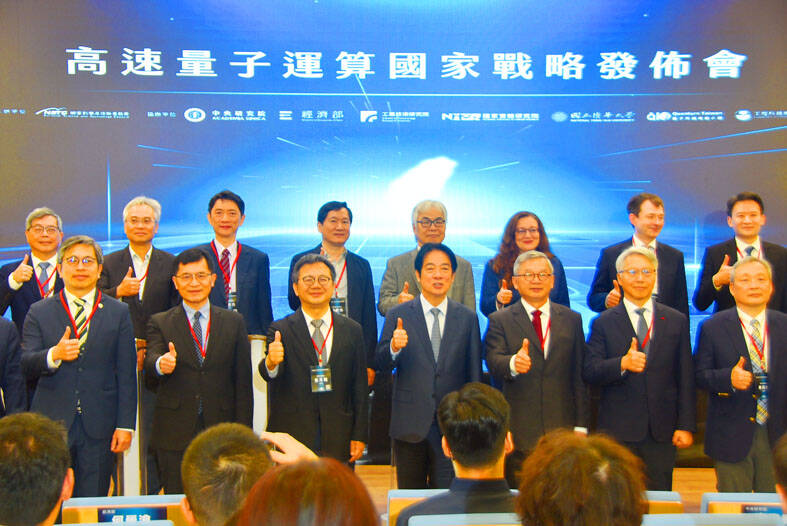
The effort aims to improve hardware to achieve fault-tolerant quantum computing and to collaborate with Taiwan-friendly democratic partners on next-generation high-speed quantum computing frameworks, he said. High-speed quantum computing would require the integration of central processing units, graphics processing units and quantum processing units, Wu said. Lai pledged support for Phase 2 of the quantum technology initiative, calling for collaboration between industry, the government, academia and researchers. He also invited international quantum teams to collaborate with Taiwan to accelerate the development and commercialization of high-speed quantum computing systems. The consortium, integrated and launched in 2021, has achieved its first-phase goals, including the development of quantum computers, quantum communication and quantum software, Gwo said, adding that Academia Sinica has completed a 20-qubit superconducting quantum computer.
Source: Taipei Times March 06, 2026 16:19 UTC