



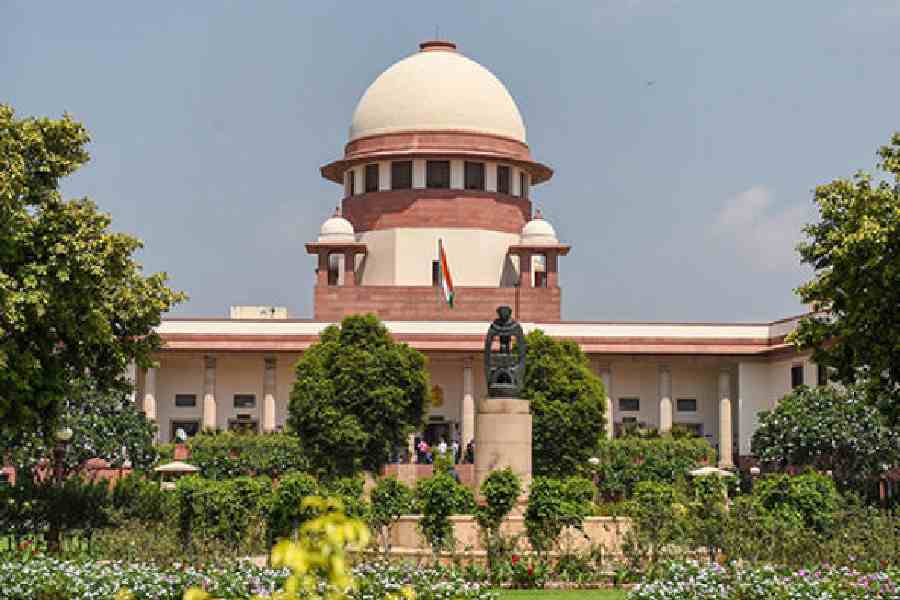
Illegally obtained evidence admissible if relevant: Supreme Court - Telegraph India
Evidence, even if collected illegally, is admissible and cannot be discarded as long as it’s “not tainted by an inadmissible confession of guilt”, the Supreme Court has ruled. Garg’s counsel contended that the committee chairperson had unilaterally directed the search and seizure of the radiologist’s premises without the consent of the othermembers. Writing the judgment, Justice Bhuyan said that discrimination against the girl child and, by extension, women in several parts of the country often took the ugly form of female foeticide. Referring to earlier Supreme Court decisions from the 1970s, the bench held that “as long as evidence is not tainted by an inadmissible confession of guilt, evidence — even if it is illegally obtained — is admissible”. The bench headed by Justice Misra also referred to the Supreme Court judgment in R.M.
Source: The Telegraph March 07, 2026 01:03 UTC