


ISRO-SAC instrument finds presence of hydroxyl and water molecules on Moon
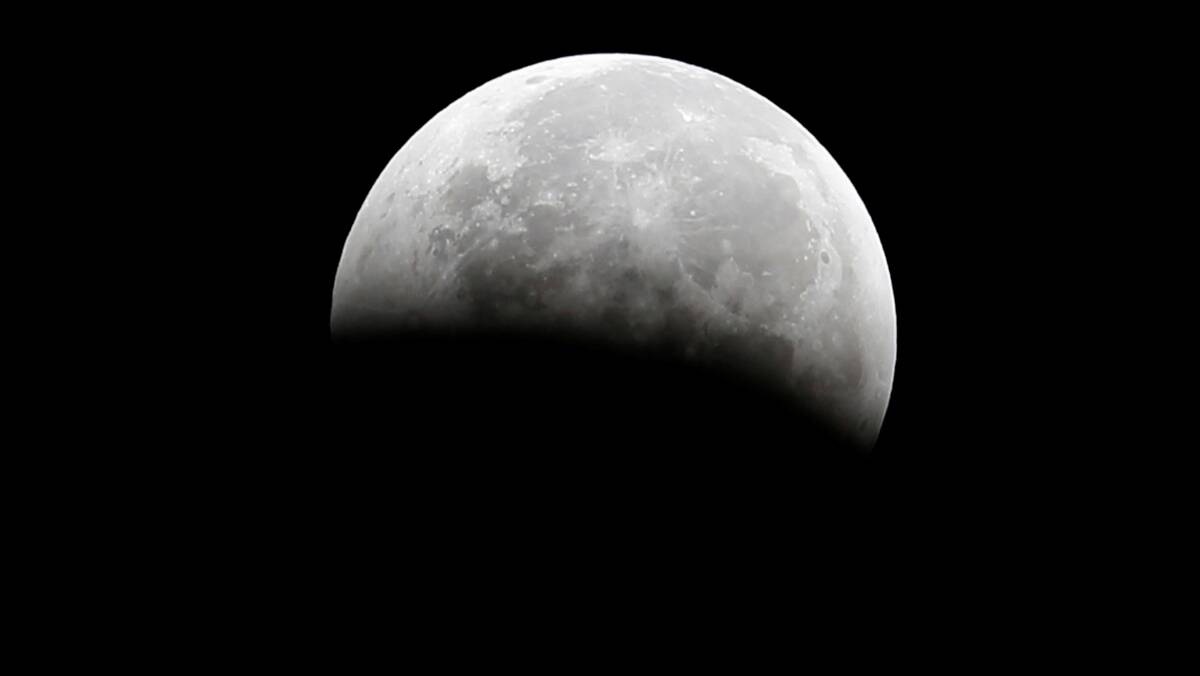
In what can be called a pathbreaking discovery, the Indian Space Research Organisation’s (ISRO) homegrown instrument aboard Chandrayaan-2 has detected the unambiguous presence of hydroxyl and water molecules on the Moon with the precision of differentiating between the two. Capable of operating in the wavelength of 0.8 to 5 micrometre, the relatively broader range within which the indigenous instrument for water detection can image, is a first for IIRS capabilities on India’s second moon mission. Prakash Chauhan, director at IIRS Dehradun, in response to queries by The Indian Express said in a written statement that since the spectral coverage of M3 instrument was limited upto 3 micrometre, distinction between hydroxyl, water and water ice/frost was not possible. “Remote detection of water and/or hydroxyl signatures on the lunar surface is of significant importance as it provides clues to understand the various sources and water production mechanisms. Chandrayaan-2 was aimed to widen the scientific objectives of Chandrayaan-1 by way of soft landing on the Moon and deploying a rover to study the lunar surface, as ISRO states on its website.
Source: Indian Express August 10, 2021 21:38 UTC