




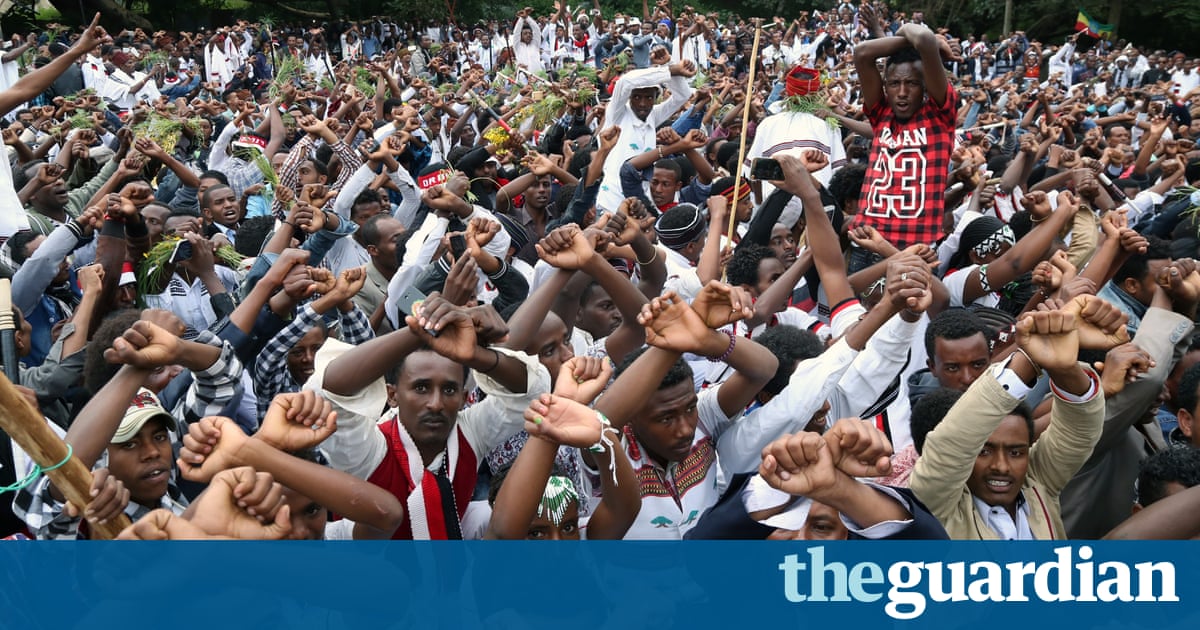
How long can Ethiopia's state of emergency keep the lid on anger?
The people are waiting until the state of emergency is over and then people are ready to begin to protest,” he said. The problem for activists is how to translate popular anger stemming from grievances into political change. Allegations of ethnic bias are prevalent, though it is Oromo officials who are culpable for local failings. That was reinforced by the arrest in November of Merera Gudina, the most high-profile Oromo opposition leader not in jail or abroad. With opposition leaders and activists exiled, imprisoned, or fearing arrest, already weak parties are in no shape to loosen the coalition’s hold.
Source: Ethiopian News February 12, 2017 12:00 UTC