


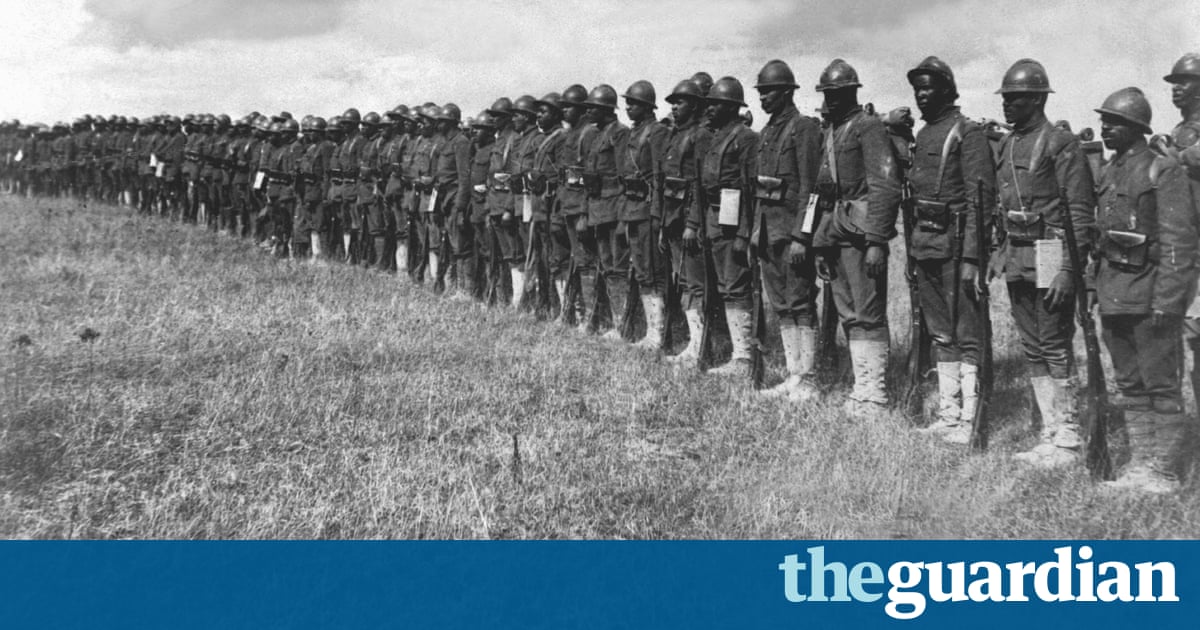
How colonial violence came home: the ugly truth of the first world war
At the time of the first world war, all western powers upheld a racial hierarchy built around a shared project of territorial expansion. Peace arrives with the Armistice of 11 November 1918, only to be tragically compromised by the Treaty of Versailles in 1919, which sets the stage for another world war. Nearly a century after first world war ended, the experiences and perspectives of its non-European actors and observers remain largely obscure. In light of this shared history of racial violence, it seems odd that we continue to portray the first world war as a battle between democracy and authoritarianism, as a seminal and unexpected calamity. The last post: letters home to India during the first world war Read moreThese shrewd assessments were not Oriental wisdom or African clairvoyance.
Source: The Guardian November 10, 2017 06:00 UTC


