



Graphene nano 'tweezers' can now grab individual biomolecules
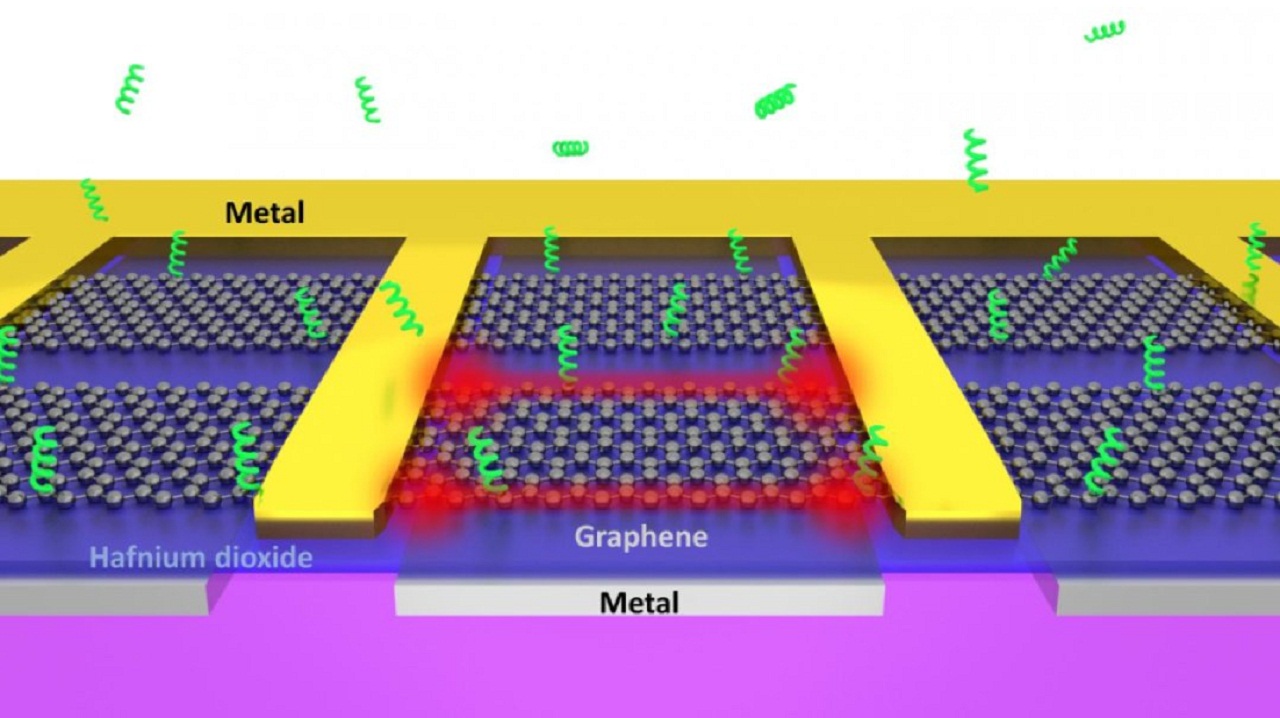
Scientists, including one of Indian origin, have developed tiny electronic "tweezers" using graphene that can efficiently grab biomolecules floating in water, an advance that may lead to a handheld disease detecting system. From the viewpoint of grabbing molecules, however, metal electrodes are very blunt. "Graphene is the thinnest material ever discovered, and it is this property that allows us to make these tweezers so efficient. "To build efficient electronic tweezers to grab biomolecules, basically we need to create miniaturised lightning rods and concentrate huge amount of electrical flux on the sharp tip. Researchers made the graphene tweezers by creating a sandwich structure where a thin insulating material call hafnium dioxide is sandwiched between a metal electrode on one side and graphene on the other.
Source: dna December 02, 2017 09:45 UTC