


Decolonising the Mind, Reclaiming the Republic Why Rajaji Replacing Lutyens at Rashtrapati Bhavan Matters
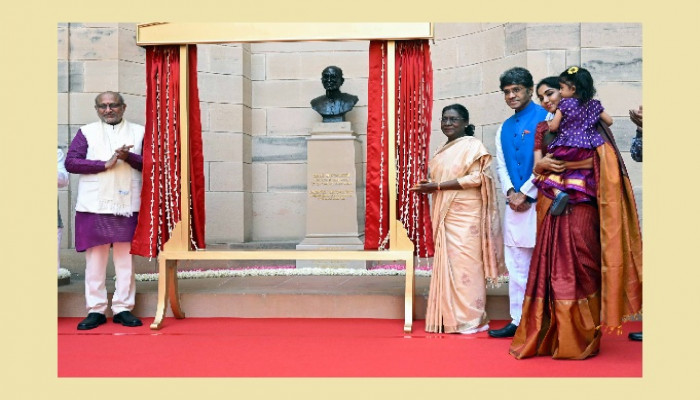
It represents a conscious step in Bharat’s ongoing civilisational decolonisation, a process aimed at reclaiming national self-confidence after centuries of foreign rule. Buildings such as the Viceroy’s House (now Rashtrapati Bhavan), India Gate and the grand administrative axis were designed to reflect the power of the British Empire at its zenith. Replacing Lutyens’ bust with Rajaji is therefore not an act of erasure but a rebalancing of historical memory. By repositioning figures like Rajagopalachari at the heart of Rashtrapati Bhavan, the state seeks to reshape this psychological landscape. "President unveils Rajaji’s bust: ‘Set example of mental decolonisation’"[2] https://www.thetimes.com/uk/history/article/edwin-lutyens-statue-india-modi-2l3jnhbw0?utm "India disowns Sir Edwin Lutyens' bust in 'decolonisation' drive"[3] https://www.indiatoday.in/india/story/pm-modi-said-that-c-rajagopalchari-will-replace-luteyns-statue-in-rashtrapati-bhavan-2872547-2026-02-22?utm "C Rajagopalachari will replace architect Lutyens’ statue in Rashtrapati Bhavan: PM - India Today"[4] https://timesofindia.indiatimes.com/world/uk/great-grandson-of-edwin-lutyens-in-the-uk-criticises-removal-of-lutyens-bust-from-rashtrapati-bhavan/articleshow/128761558.cms?utm_source "Great-grandson of Edwin Lutyens in the UK criticises removal of Lutyens' bust from Rashtrapati Bhavan"[5] https://www.ndtv.com/india-news/edwin-lutyens-bust-replaced-with-c-rajagopalachari-bust-at-rashtrapati-bhavan-in-india-decolonisation-move-11125184?utm_ "Edwin Lutyens Bust Replaced With C Rajagopalachari Bust At Rashtrapati Bhavan In India Decolonisation Move"
Source: Indian Express February 27, 2026 11:09 UTC