


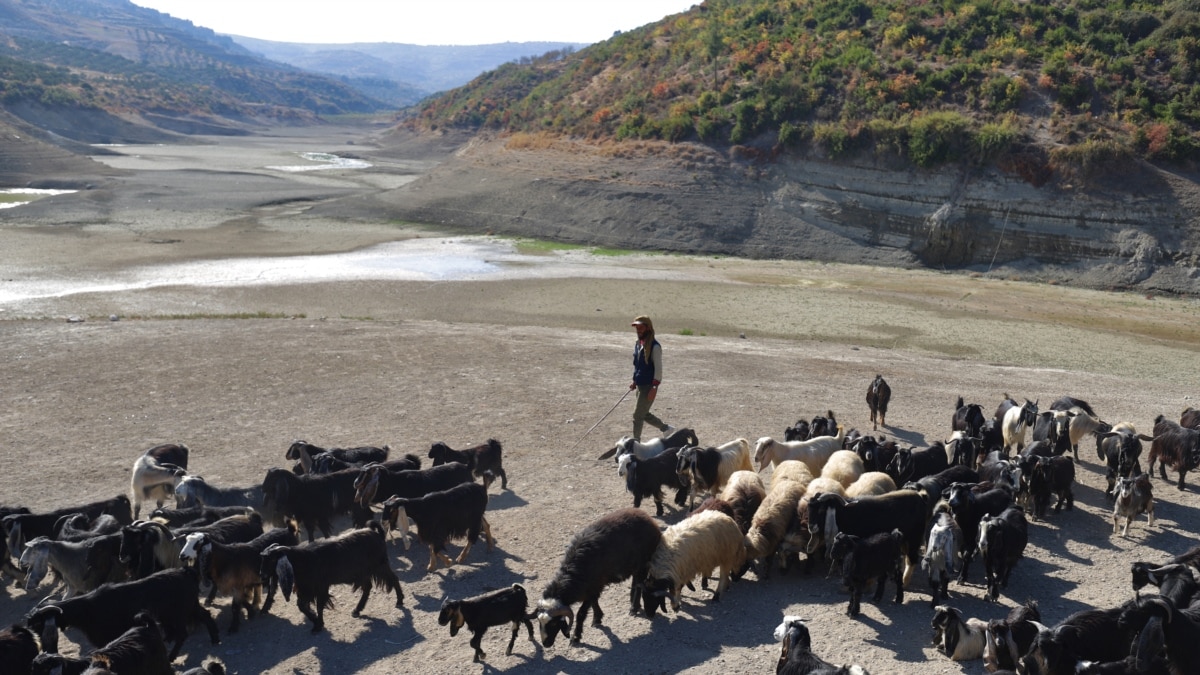
After Years of War, Millions of Syrians Now Face Serious Water Crisis
In addition to climatic factors precipitating the water crisis, civilian access to water has been further diminished because of the water supply systems. At that time, more than 90% of the population had access to safe water, according to Amin. U.N. researchers say the water crisis has also increased the prevalence of water-borne diseases, an added strain to Syria's public health system amid the COVID-19 pandemic. The water crisis is yet another obstacle for Syrians to overcome while they continue to work toward a sense of normalcy following decades of conflict. The present U.N. plan to address the water crisis is aimed at ensuring 3.4 million people have access to safe water through rehabilitating water stations and supplies and improving water treatment, according to its September 9 report.
Source: The North Africa Journal November 20, 2021 11:53 UTC