

A toxic tale
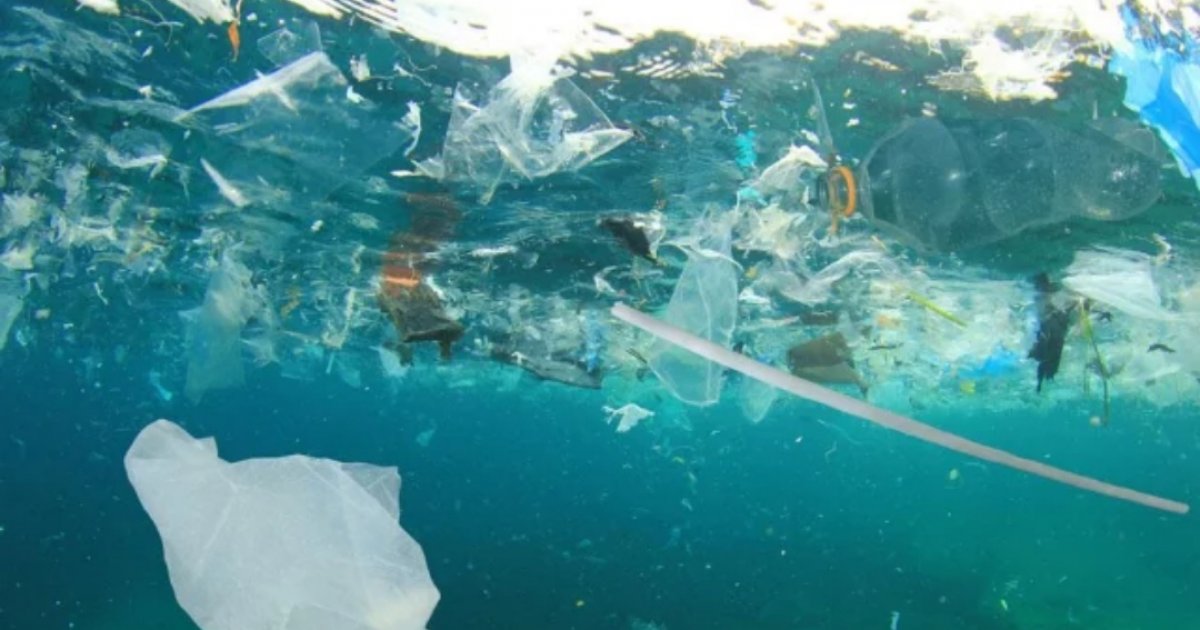
The Muslin fabric trade flourished, and thus started the interwoven history of the Buriganga and fashion. The popularity of Muslin started to decline, however, as British textiles and machine-made clothes became commonplace. Garments’ and other factories started to pop up on the banks of Buriganga and release massive amounts of waste into the river. Hazaribagh, a neighbourhood built on the banks, accounts for 95% of the country’s tanneries which release about 22,000 cubic litres of toxic waste into the Buriganga everyday. Despite turning into a toxic cesspool, the one thing that remains constant is its service to locals.
Source: Dhaka Tribune January 03, 2026 08:59 UTC