
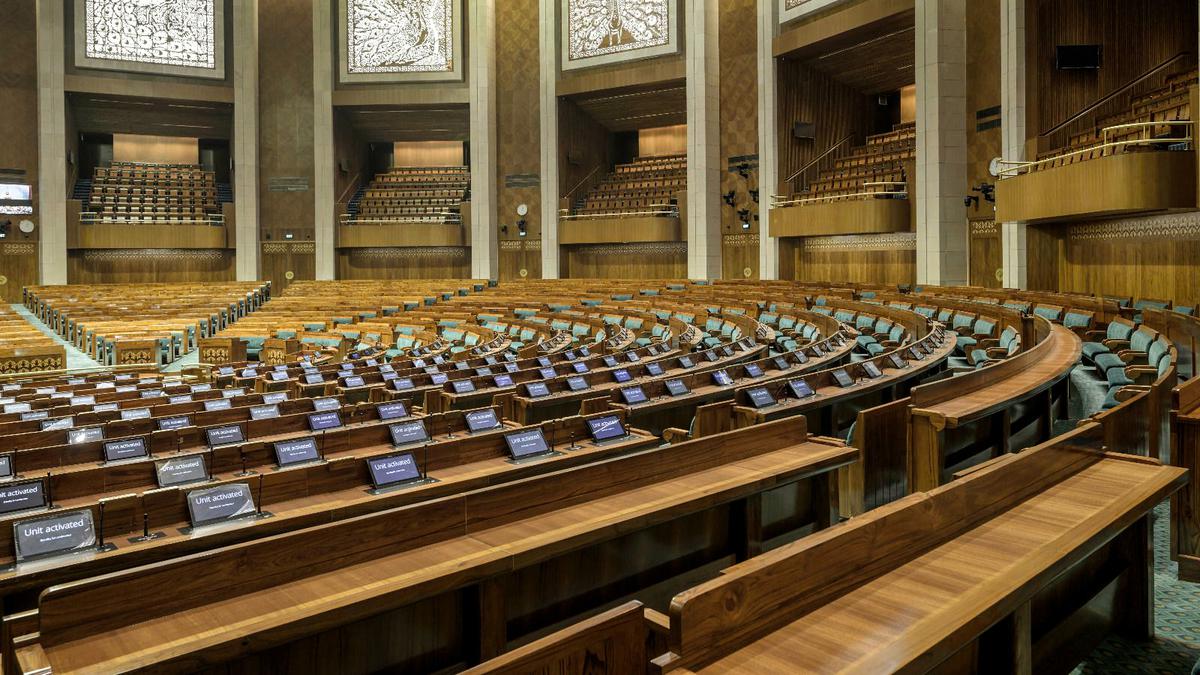
A parliamentary democracy or an executive democracy
Consider the various safeguards that parliamentary democracies generally tend to put in place against executive dominance or abuse. This opens up the space for intra-party dissent, and an important role for ruling party parliamentarians — who are not members of the cabinet — to exercise a check over the executive. Second, the Opposition itself is granted certain rights in Parliament, and certain limited control over parliamentary proceedings, in order to publicly hold the executive to account. And the Upper House is taken out of the equation, either by the misclassification of money Bills or by the use of ordinance power. Therefore, even as the new Parliament is inaugurated, the urgent question that we must ask is whether in formal terms, India can continue to be called a parliamentary democracy, or whether we have gradually morphed into an executive democracy.
Source: The Hindu May 31, 2023 21:47 UTC