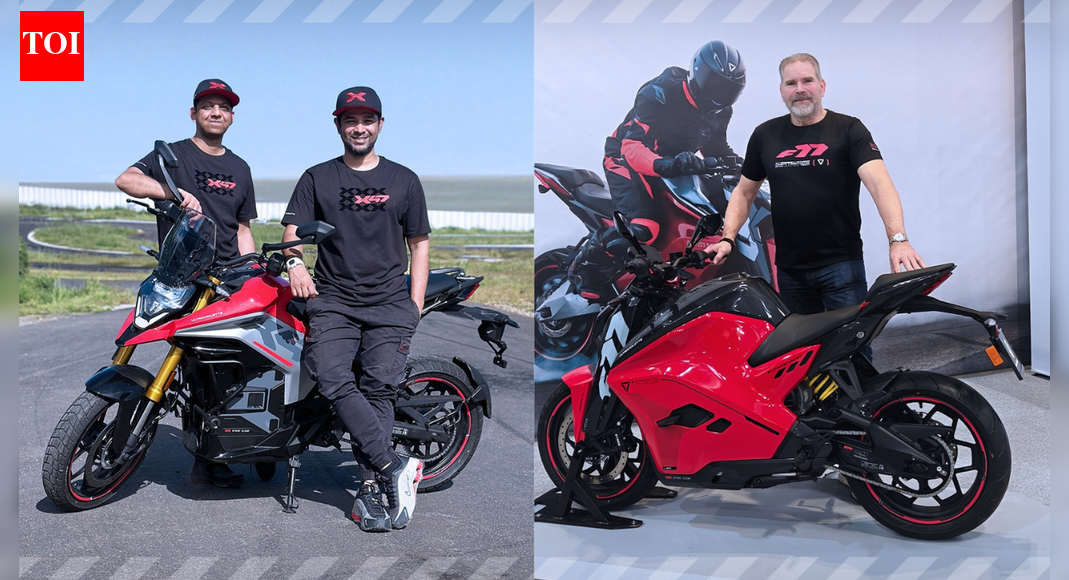
Bengaluru-based startup Ultraviolette Automotive has announced that it has launched its made-in-India electric motorcycles in the United Kingdom. The company has introduced F77 Mach 2 Recon and F77 SuperStreet Recon. Performance-wise, the electric motorcycle can sprint from 0 to 60 km/h in just 2.9 seconds, while the top speed is rated at 120 km/h. The standard variant has a claimed range of 211km, and the Recon variant gets a 323km range. The Recon variant gets ten levels of switchable regenerative braking levels and the standard variant gets only three levels.