We use cookies to ensure your best experience on our website. If you continue using our website, we'll assume you agree to our Cookie Policy.
February 19, 2026 01:00 UTC
We use cookies to ensure your best experience on our website. If you continue using our website, we'll assume you agree to our Cookie Policy.
Ms. Tetteh said she has begun consultations with key actors on an alternative two-step approach aimed at restoring momentum. Should a smaller group of Libyan representatives fail to agree on the roadmap's milestones, she warned, a broader convening would be required. Judicial divideThe UN envoy issued a stark warning about escalating tensions within Libya's judicial system. "These contradictory, parallel judicial decisions put into jeopardy the unity of the legal and judicial systems," Ms. Tetteh declared, cautioning that the situation "is a red line that if crossed can undermine the unity of the state." Economic pressures deepeningLibyans are facing worsening living conditions driven by currency devaluation, rising prices and persistent fuel shortages, the envoy reported.
In his capacity as an envoy of the President of the Supreme Court, Abdullah Abu Rzeiza, Nouri Abdelati, took over the headquarters of the Supreme Judicial Council in implementation of a ruling issued by the Constitutional Chamber of the Supreme Court. Following the takeover, the Supreme Judicial Council’s Facebook page, managed by Miftah Al-Qawi, appointed by the Speaker of the House of Representatives, issued a statement condemning what it described as a “storming” of the Council’s building in Tripoli. The Libyan Association of Members of Judicial Bodies welcomed the enforcement of the Constitutional Chamber’s ruling and the resulting takeover of the Council’s premises on Wednesday. The Association also called on members of judicial bodies to rally behind the Supreme Judicial Council under the leadership of the Supreme Court, considering this to reflect legal and constitutional legitimacy derived from a binding judicial ruling. It stressed that “the judicial institution is one unified entity; east, west, north, and south, indivisible and subject only to the rule of law.”
The UN said on Tuesday that Libya’s political, economic and security situation is worsening, as institutional divisions, financial strain and criminality threaten already delayed plans for national elections. “The situation in Libya is deteriorating on many fronts,” Ms Tetteh said. Beyond political paralysis, Ms Tetteh also highlighted growing security threats, warning that transnational criminal networks had “flourished” in Libya’s fragmented environment. A recent UN report found Libya has become a conduit for drug trafficking and other illicit trade, abetted by porous borders, weak financial supervision and divided law-enforcement institutions. The prolonged fragmentation has also enabled widespread human trafficking and abuses against migrants using Libya as a gateway to Europe, according to UN agencies.
The Ministry of Education has announced setting school hours, exam dates, and official holidays for all educational stages during the month of Ramadan. According to the ministry, morning classes will start at 9:00 am, while afternoon sessions will begin at 12:00 pm. Class periods will be shortened to 35 minutes, and all extracurricular activity periods will be suspended throughout the month. Kindergartens will observe a holiday from February 22 until March 22, 2026. The midyear and Eid Al-Fitr break for all grades, from first year of primary school through third year of secondary school, will run from March 1 to March 22.
The head of the High Council of State (HCS), Mohammed Takala, has warned that one of the greatest challenges facing countries after revolutions is attempts to bypass the will of the people, emphasizing that legitimacy “is not granted by unilateral decisions nor imposed by the force of the status quo; it derives from the free will of the people.”On the anniversary of the February 17 revolution, Takala said that safeguarding the revolution’s goals requires adherence to legitimacy and rejecting unilateral measures that threaten the unity of the state. He pledged to continue efforts to enable Libyans to elect their leadership through fair elections. Takala also stressed that building the state is a responsibility shared by the entire nation, noting that the revolution marked the start of a long journey toward “a state of institutions, not individuals; a state of the people, not the authority of the status quo.”
The Tripoli based Libyan Ministry of Economy and Trade reported last Monday (16 February) that its Minister, Mohamed Al-Hwej, met with the Ambassador of Serbia to Libya, Dragan Todorovic, to discuss arrangements for the participation of Serbian companies in the 52nd Tripoli International Fair. The fair will commemorate its Centenary Edition and will be held from 16 to 21 April at the Tripoli International Fairgrounds. The Minister emphasized the Ministry of Economy and Trade’s commitment to strengthening cooperation with the Serbian Ministry of Trade and organizing a joint economic forum for business owners. The Minister extended a formal invitation to his Serbian counterpart, the Minister of Trade, to visit Libya and attend the Tripoli International Fair, leading a delegation of Serbian businesspeople and investors. He also invited him to hold bilateral meetings with Libyan companies on the sidelines of the fair.
UNDP Libya reported yesterday that, as part of a series of introductory workshops, national Libyan institutions explored how emerging technologies can strengthen education and scientific research. In partnership with the Ministry of Planning and the Institute of Planning discussions held at the Institute of Planning in Tripoli, last Monday (16 February), examined how artificial intelligence and blockchain can enhance access to knowledge, support innovation, and strengthen institutional capacity within universities and research institutions. Through this series of introductory workshops on integrating AI and Blockchain, the UNDP said it aims to build the capacities of Libyan cadres, develop a comprehensive package of training programs to leverage AI tools, and initiate the drafting of a national strategy for blockchain. The UNDP said it supported the exchange as part of ongoing efforts to advance resilient, future-ready institutions and accelerate sustainable development.
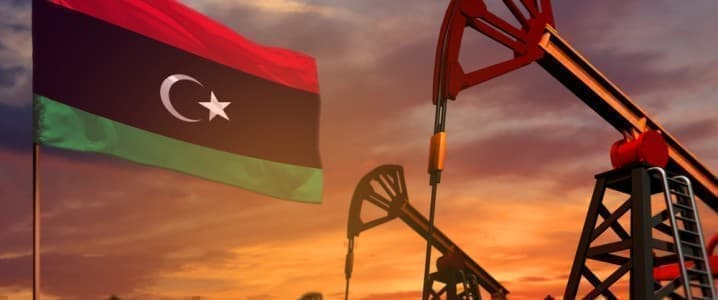
So, does all this herald a brave new era for Libya, or will it turn out to be just another false dawn? What augurs well is not just the breadth of Western firms choosing to expand their presence in Libya, but which firms they are. That said, there is still much oil and gas potential for them to work with in Libya, despite the ongoing civil war since Gaddafi’s removal as leader in 2011. However, there remains the fact that the key reason for the civil disorder across the country that has caused multiple major oil shutdowns since 2020 has not yet been dealt with. It may be that the bolstered presence of Western interests in Libya may affect such changes, but until they do, the country’s long-term stability remains in question.
WHY THIS MATTERS: This strategic move by Visa to carve out a dedicated sub-region encompassing Egypt, Libya, and Sudan is a powerful signal of the accelerating focus on emerging market payments. Visa (NYSE: V), a global leader in digital payments, today announced the creation of a new sub-region comprising Egypt, Libya, and Sudan as part of its strategic growth plans in the region. Visa has appointed Malak El Baba as Country Manager for Egypt, Libya, and Sudan. Her expanded geographic leadership will allow Visa to leverage regional synergies, accelerate markets’ growth, and bring advanced digital commerce solutions to consumers and businesses across Egypt, Libya, and Sudan alike. Malak El Baba said “I am honored to take on this expanded role and continue driving Visa’s strategy across Egypt, Libya, and Sudan.
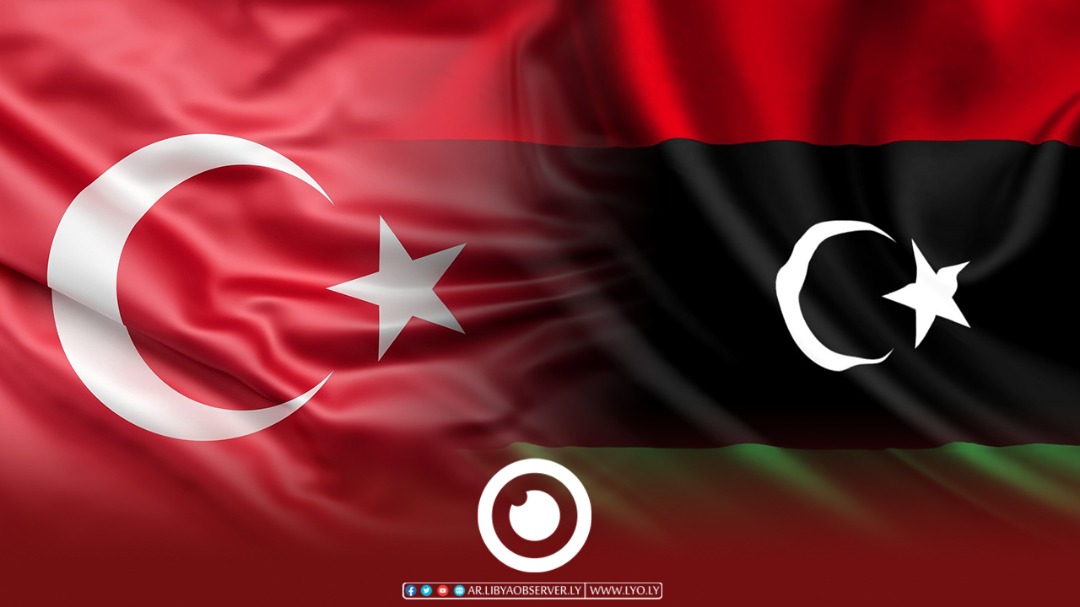
Turkish Minister of Energy and Natural Resources Alparslan Bayraktar said that Ankara is exploring opportunities for cooperation in Libya, whether in new oil fields or existing projects, through direct operations or partnerships. The minister made the remarks during the launch of the Turkish drilling vessel “Çağrı Bey” from Taşucu Port in Mersin province in southern Turkey, heading to Somalia to conduct energy exploration activities. In his speech at the ceremony, he described the event as a historic moment, marking Turkey’s first mission to search for oil and natural gas in deep waters outside its own seas, according to Turkish media reports on Monday. Regarding the recent tender held in Tripoli, he added: “Last Wednesday, as part of a new licensing round organized in Libya, we obtained oil and gas exploration rights in two fields, one offshore and one onshore.”He said that Turkish Petroleum will conduct exploration activities in Libya together with its Spanish partner Repsol, adding: “We hold a 40% share in both fields, and all these steps are part of our overseas growth strategy.”He also noted that Turkey signed major strategic agreements with ExxonMobil on January 8, Chevron on February 5, and BP last Thursday, and plans to sign another agreement next week with an international company for partnership in offshore areas abroad. He explained that the goal is for Turkish Petroleum to reach production of nearly 500,000 barrels of oil and gas by 2028.
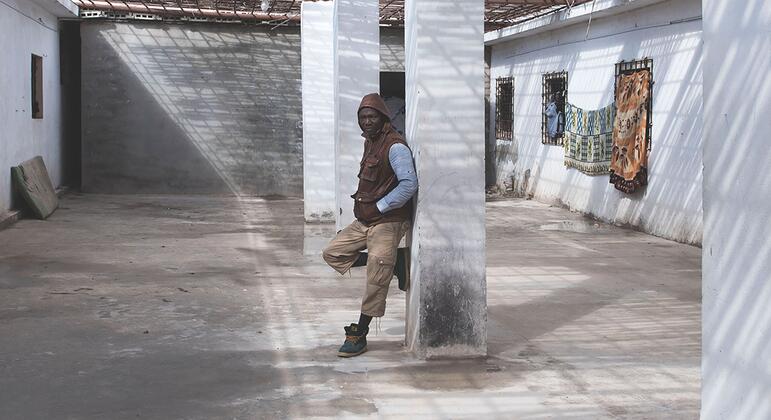
'Journey of hell'Based on interviews with nearly 100 migrants, asylum-seekers and refugees from 16 countries across Africa, the Middle East and South Asia, the report details harrowing accounts of abduction, arbitrary detention and extreme abuse. It was a journey of hell," said one Eritrean woman detained for six weeks at a trafficking house in Tobruk, eastern Libya. She described being raped repeatedly by multiple men and witnessing the abuse of girls as young as 14. Many experience slavery, forced labour, forced prostitution, extortion, and the confiscation and re-sale of their belongings and identity documents. "The suffering of migrants and refugees in Libya must end," Mr. Türk said.
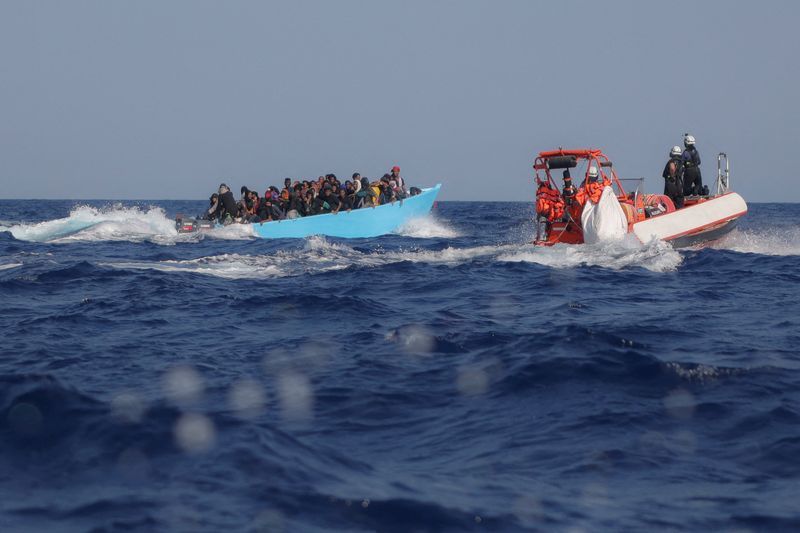
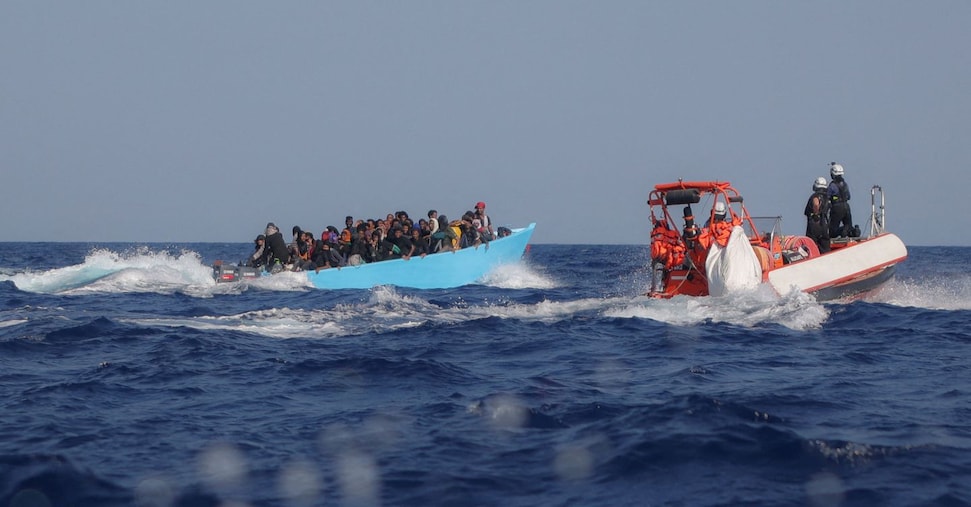
Libya has become a transit route for migrants fleeing conflict and poverty to Europe across the Mediterranean since the fall in 2011 of dictator Muammar Gaddafi to a NATO-backed uprising. The Libya mission in Geneva did not immediately respond to a request for comment. It cited an Eritrean woman who was detained for over six weeks at a trafficking house in Tobruk, in eastern Libya. Girls as young as 14 were raped daily," she said. The report emphasised the importance of life-saving search and rescue operations for migrants at sea but urged the international community to halt returns to Libya until adequate human rights safeguards are ensured.
AdvertisementLibya’s Ministry of Industry and Minerals has held talks with Chinese company Goodwill Ceramic (Wankang) Ltd regarding plans to establish a new cement plant with a proposed capacity of 2Mta. During a meeting led by the ministry’s undersecretary for public affairs, production and industrial zones, Mustafa Al-Samou, discussions focused on regulatory and technical procedures required to advance the project, as well as alignment with national industrial development plans. The ministry emphasised that compliance with Libyan legal and technical standards would be essential to ensure product quality and competitiveness. Officials described the project as supporting reconstruction efforts and strengthening domestic cement supply. Representatives of Goodwill Ceramic expressed readiness to complete all required procedures in coordination with the relevant authorities and to implement the project within Libya’s legal framework.
2' min read For feedback, please contactenglish@ilsole24ore.com Translated by AI Versione italianaMigrants, refugees and asylum seekers in Libya are victims of 'systematic human rights violations and abuses', including murder, torture, sexual violence and human trafficking. This is the toll drawn by a report by the UN Human Rights Office and the UN Support Mission in Libya. The report points out that migrants are 'rounded up and abducted by criminal networks of traffickers, often linked to Libyan authorities and criminal networks abroad', describing the rigmarole. The 'normalisation' of abusesThe survey was compiled from interviews with one hundred migrants, asylum seekers and refugees from 16 countries in Africa, the Middle East and South Asia. In the period under the survey's lens, between January 2024 and December 2025, the report between emerges a "pattern of exploitation that preys on migrants, asylum seekers and refugees in more vulnerable situations that has becomebusiness as usual: a brutal and normalised reality".