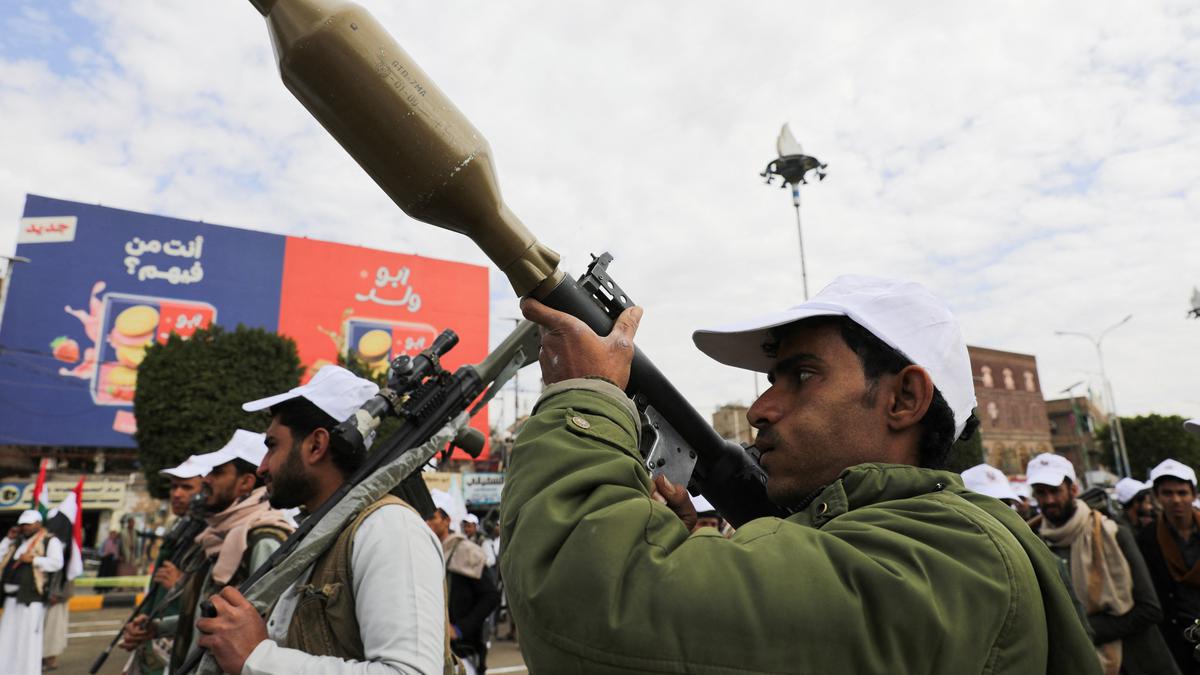
But Houthi attacks on Red Sea shipping and American and British retaliation have thrown the peace process “up in the air”, said Farea Al-Muslimi, a research fellow at Chatham House’s Middle East and North Africa Programme. “Peace in Yemen requires international and regional commitments different than those that exist now,” Mr. Muslimi said. However, Majid Al-Madhaji, of the Sanaa Center for Strategic Studies think-tank, said that with the flare up in the Red Sea, “a peace plan no longer has a place on the discussion table”. It has not joined a U.S.-led naval coalition to deter Houthi attacks on shipping and expressed “great concern” following the first round of strikes by the U.S. and Britain, calling for “restraint”. “The international community is less likely to support a Yemeni peace plan due to concerns about rewarding the Houthis for Red Sea attacks, thus freezing the UN-led and U.S.-backed peace process,” he said.