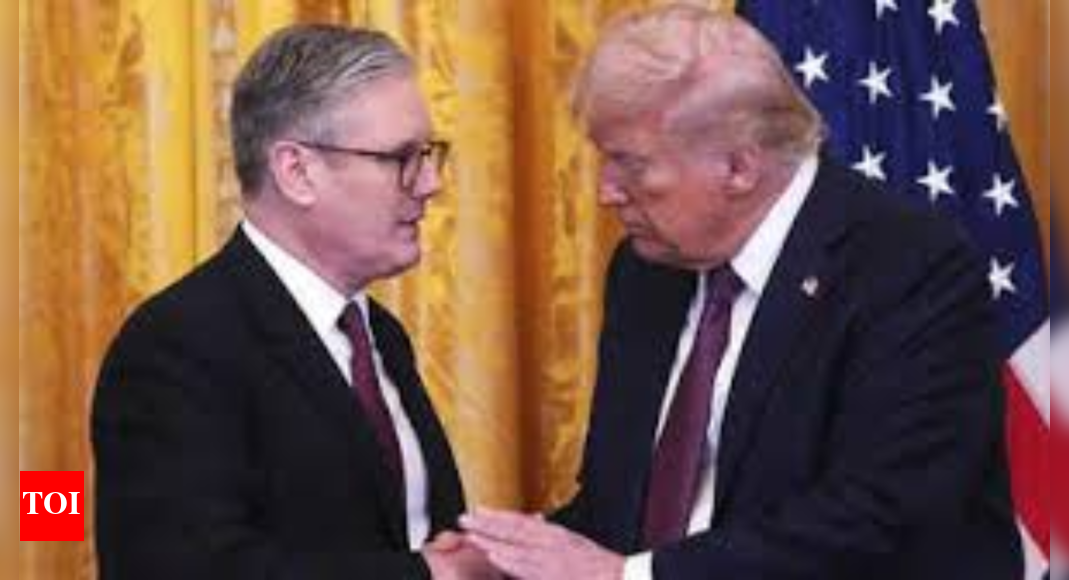
Canada was hit with sweeping tariffs in March, including those on automobiles, steel, and aluminum, with Trump citing the opioid crisis and fentanyl flows from the north as justification. Some of these were rolled back for CUSMA-compliant goods, but key sectors remain vulnerable.Through this deal, the implications for Canada's tightly integrated auto industry are stark. His visit to Washington was widely seen as an effort to smooth tensions and signal a more cooperative approach.But seeing Trump’s track record, Canada should expect hard bargaining. “It shows that the Trump administration is amenable to negotiation,” said Carleton University’s Fen Osler Hampson. “He doesn’t believe in trade deficits,” said Henry Olsen, a senior official at the Public Policy Center.Olsen also noted that although Trump exaggerates the US trade deficit with Canada, largely due to energy imports, he will expect any future agreement to reduce it.