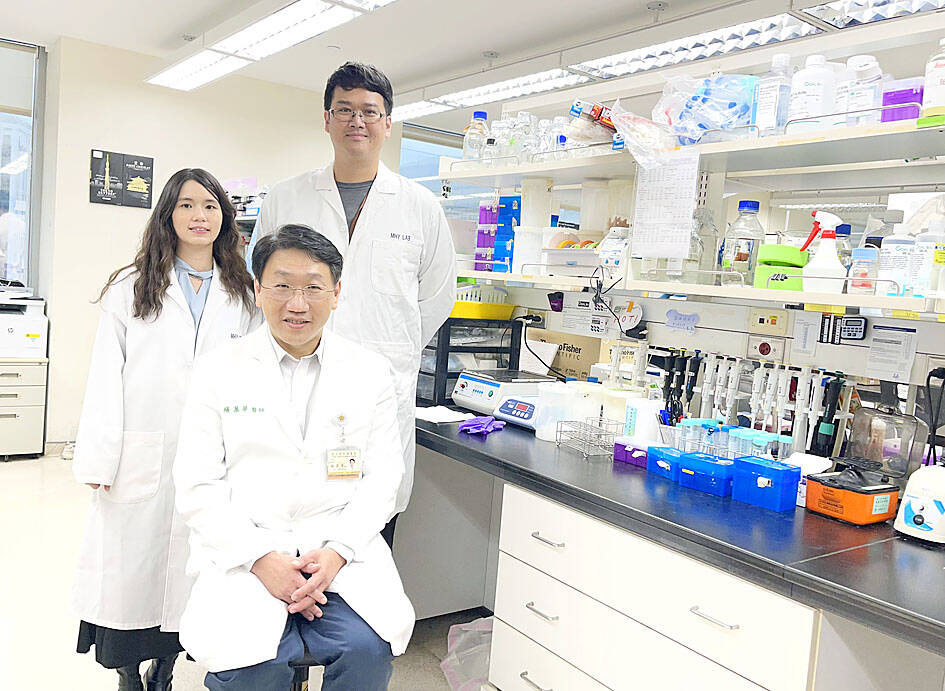
Study shows traits in cancer cells help tumors resist drugsBy Jonathan Chin / Staff writer, with CNAResearchers have identified adaptive traits in cancer cells that help tumors resist immunotherapy drugs after extended targeted treatment, revealing new hurdles to effective cancer treatment. The team found that “therapeutic stress” might prompt cancer cells to produce an inflammatory mediator to block the immune system’s neural pathways, the statement said. National Yang Ming Chiao Tung University professor of clinical medicine Yang Muh-hwa, front, and other researchers pose for a photograph at a lab in Taipei’s Beitou District in an undated photograph. After being subjected to extended immunotherapy, cancer cells release tumor necrosis factor-alpha, triggering a previously unknown process named STAT1 lysine 637 acetylation, which disrupts the function of interferon gamma, the statement said. Understanding the mechanisms tumors employ to defeat immunotherapy — which is hailed as a milestone in cancer treatment — would help doctors use biomarker-guided sequences and combinations to improve outcomes, Yang said.