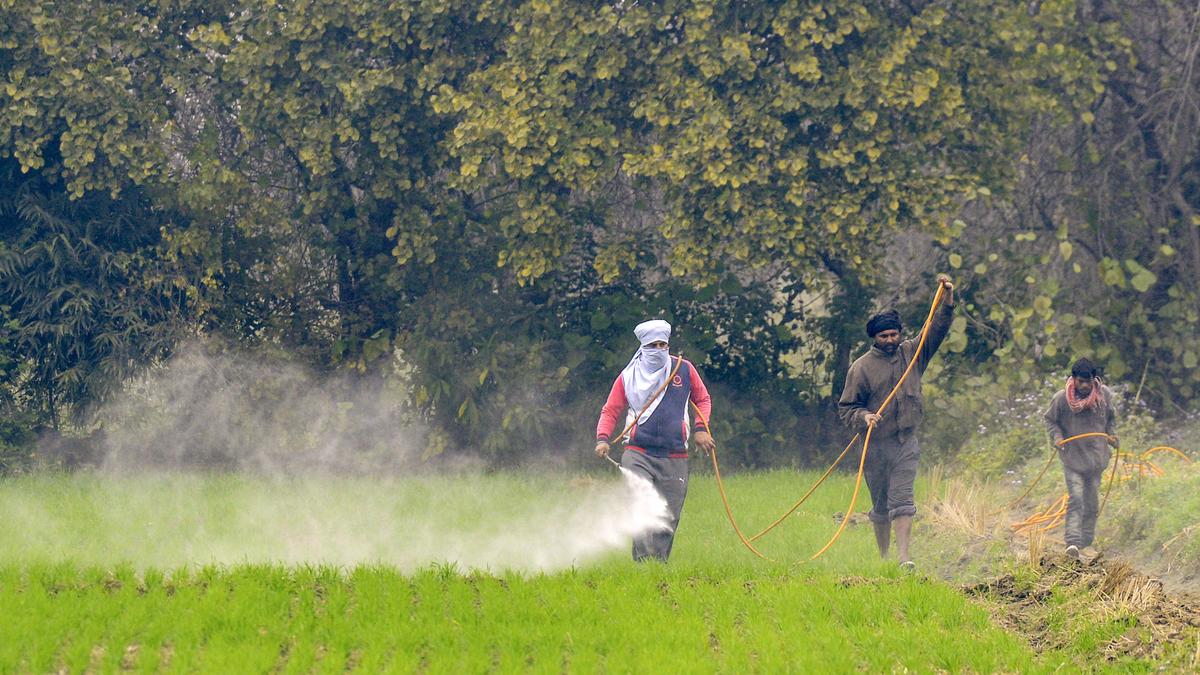
In 2022, at the United Nations Biodiversity Conference, countries committed to reducing pesticide risk by 50% by 2030. Threatening a targetChina, Brazil, the U.S., and India are the biggest contributors of global TAT, accounting for nearly 70%. While the study found that toxicity increased in India, the U.S., Brazil and several countries in Africa, Chile was the solitary country on track to meet the UN’s 2030 target. The increased TAT could be due to countries using larger volumes of pesticides, as well as more toxic ones, says the paper. Toxicity from pesticides increased in the study period, especially among invertebrate species, terrestrial plants, terrestrial arthropods, soil organisms and fish.