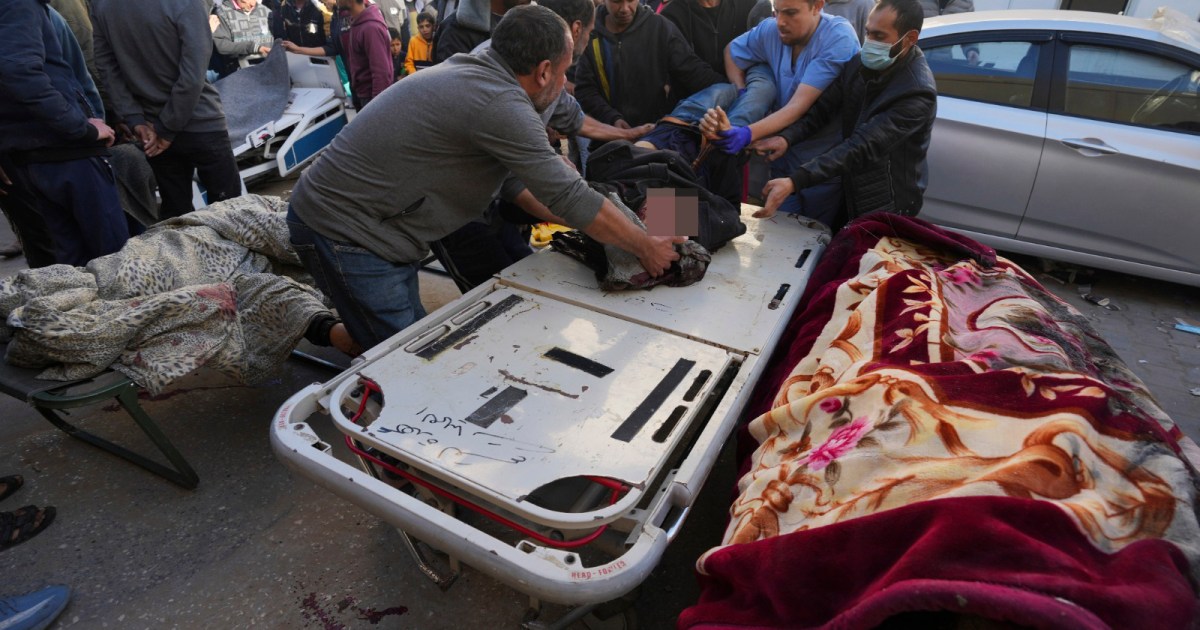
As public outrage over the humanitarian impact of Israel’s military operations in Gaza grows, calls for a cease-fire in the U.S. and globally are mounting. But for those concerned with the bottom-line humanitarian outcomes in the conflict, is a cease-fire ultimately the best way forward? The reality is that cease-fires often fail and for the most part have limited and at times even adverse impacts. These lessons from the past failures and successes of cease-fires, and not political outrage, should inform the U.S. response to the horrific humanitarian suffering in Gaza. Research on the use of cease-fires in conflicts reveals relatively disappointing results that have largely been ignored in the current clamor for a cease-fire as the primary response to suffering in Gaza.